 blog
blog
Best Liquidation Platforms for Amazon Resellers in 2026
Table of Contents
- How to Compare Liquidation Platforms in 2026
- Where to Buy Amazon Liquidation Pallets: Auctions, Direct Sourcing, and Retailer Programs
- Are Amazon Return Pallets Worth It in 2026?
- Liquidation Pallet Profit Calculation: True Landed Cost and Margin
- Amazon Seller Eligibility for Liquidation Items: Policy Checks Before You Bid
- Manifest Accuracy and Unsellable Inventory: Managing the Risk
- Category-Specific Sourcing Strategy for New Resellers
- Conclusion: Building a Reliable Supply Chain
- Frequently Asked Questions
Last Updated: October 14, 2026
How to Compare Liquidation Platforms in 2026
Choosing the best liquidation platforms for buying pallets to resell on Amazon in 2026 comes down to four checks: sourcing model, manifest reliability, total landed cost, and returns handling.
Liquidation platforms are marketplaces and direct sellers that move customer returns, overstock inventory, and surplus stock from retailers to resellers, usually through pallet lots, truckloads, or daily online auctions.
A common mistake is comparing platforms on headline price alone.
Where to Buy Amazon Liquidation Pallets: Auctions, Direct Sourcing, and Retailer Programs
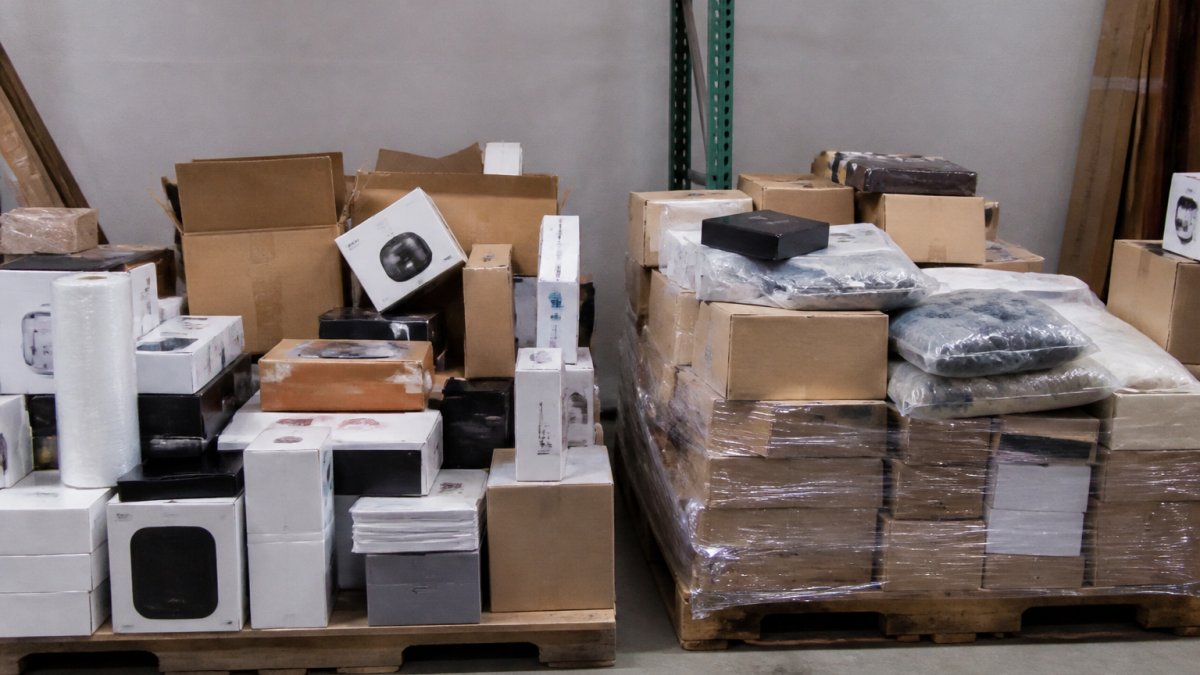
Amazon liquidation pallets come from three channels: auction marketplaces, direct sourcing from wholesale liquidators, and retailer or brand programs. Each has a different risk profile, and new resellers should test at least two before committing volume to one.
Auction Marketplaces and Daily Online Auctions
Auction marketplaces list pallets, lots, and truckloads for bidding, often with a starting price and buyer fees added at checkout.
When evaluating an auction platform, check how often it runs sales, whether manifests are published before the auction closes, and what buyer fees apply on top of the hammer price.
Auction marketplaces commonly used by Amazon resellers include B-Stock (which powers many retailer-branded auction sites), Liquidation.com, and Bulq.com.
Direct Sourcing and Wholesale Liquidators
Direct sourcing means buying from a wholesale liquidator at a set price rather than bidding. You get predictable costs and often better category control, since you can request specific categories rather than accept whatever lands in a mixed lot.
The catch is minimum order size. Many direct sellers push you toward full pallets or truckloads, raising your upfront capital and inventory risk.
Direct and hybrid sourcing operations that resellers commonly evaluate include Quicklotz, 888 Lots, and Direct Liquidation.
Retailer and Brand Liquidation Programs
Retailer and brand programs are the third channel. Some large retailers and brands sell returns and overstock through their own liquidation portals or B-Stock-powered marketplaces rather than a general auction site.
For an Amazon reseller, the appeal is traceability. A single-retailer program gives you a clearer story about where goods came from, which helps when Amazon asks for sourcing documentation.
How to Verify a Platform's Current Terms (2026 Checklist)
Because fees, shipping rules, and lot sizes change, do not rely on any ranking article, including this one, as a permanent record. Verify these on the platform's own pages before your first bid:
- Buyer premium and fees: Confirm the current percentage or flat fee added to the hammer price, plus any per-lot or per-pallet handling charge.
- Manifest policy: Confirm whether manifests are published before the auction closes, whether they are item-level or category-level, and whether the platform guarantees manifest accuracy.
- Lot sizes: Confirm whether single pallets, multi-pallet lots, and truckloads are all available, and what the smallest purchasable unit is.
- Shipping and freight: Confirm whether the platform ships, whether you must arrange freight, and whether pickup is available.
- Return and claims policy: Confirm the window for condition claims, what evidence is required, and whether refunds or credits are offered.
| Sourcing Channel | How You Buy | Best For | Main Risk |
|---|---|---|---|
| Auction marketplace | Bid per lot | Flexible, small starts | Bidding wars, buyer fees |
| Direct sourcing | Set price per pallet | Consistent volume | Minimum order sizes |
| Retailer programs | Contract or application | Category control and traceability | Eligibility screening |
Are Amazon Return Pallets Worth It in 2026?
Amazon return pallets are worth it when the manifest is accurate and your condition-adjusted margin clears your target after freight and fees. They are not worth it when you buy blind.
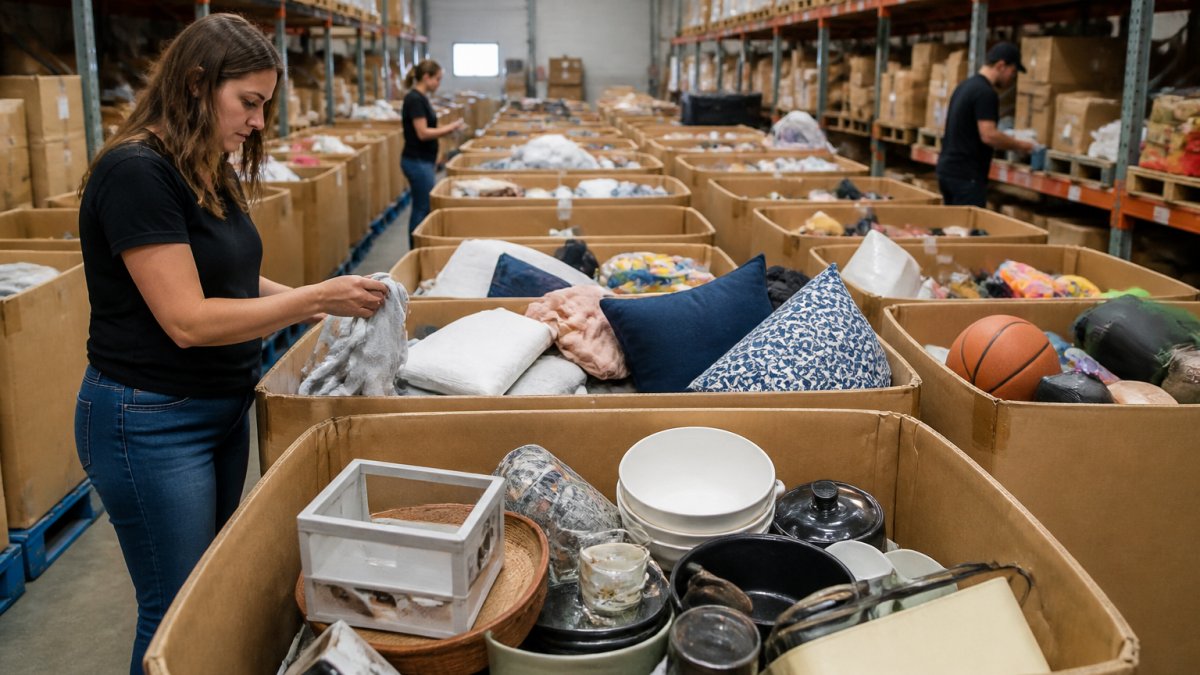
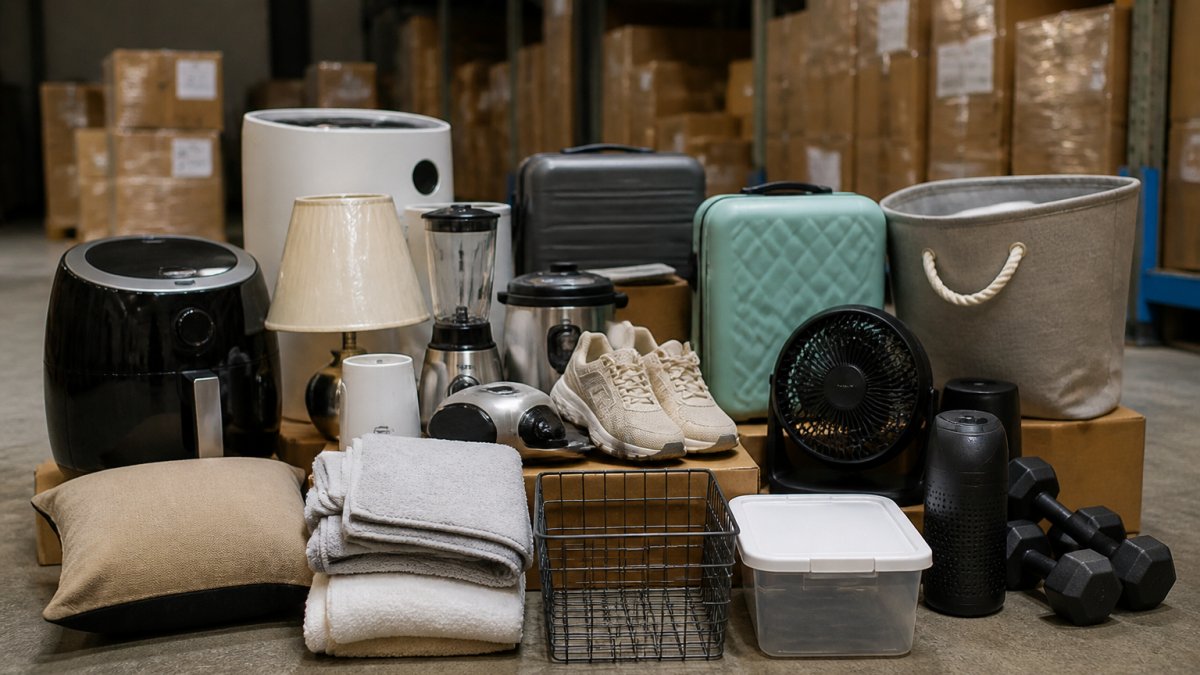
Retail returns are the raw material here, and their condition varies by category. Electronics and apparel tend to have higher defect rates; home goods and general merchandise often resell cleanly.
- Customer returns: mixed condition, highest variance, best margins when manifests are detailed
- Overstock inventory: unsold new stock, usually clean, lower margin but predictable
- Surplus inventory: excess seasonal or discontinued goods, good for bin stores
- Damaged goods: sold cheap, only viable if you can test, refurbish, or part them out
Liquidation Pallet Profit Calculation: True Landed Cost and Margin
Liquidation pallet profit calculation starts with landed cost, not purchase price. Landed cost is the purchase price plus buyer fees, shipping or freight, and any inspection or refurbishment costs. Subtract that from realistic resale value, and you have your true margin.
Most beginners skip freight when they estimate profit. That is the fastest way to turn a "great deal" into a loss.
Building a Condition-Adjusted Valuation
Condition-adjusted valuation means pricing each portion of the lot at what it will actually fetch, not at retail. Split the manifest into three buckets and assign a realistic recovery rate to each.
- Sellable as new: list at a competitive resale price
- Sellable with flaws: discount heavily; expect slower inventory turnover
- Unsellable: value at zero, or at parts value if you can break items down
Amazon Seller Eligibility for Liquidation Items: Policy Checks Before You Bid
Amazon seller eligibility for liquidation items depends on category approval and product authenticity rules, and you should confirm both before you bid. Some categories require approval to list at all, and Amazon's authenticity policies mean you need legitimate sourcing documentation for many branded goods.
This is the check most resellers skip, and it is the one that hurts most. You can buy a perfectly good pallet and still be unable to list half of it because you lack approval or invoices. Before committing, verify three things:
- Whether the categories in the lot require approval to sell
- Whether you can obtain invoices or sourcing records that satisfy Amazon's authenticity requirements
- Whether any items are restricted, recalled, or otherwise ineligible for resale
Selling without meeting these requirements risks listing removal and account health problems. If you cannot document where branded goods came from, treat those items as unsellable for Amazon, even if they would move elsewhere.
Manifest Accuracy and Unsellable Inventory: Managing the Risk
Manifest accuracy is the difference between a profitable pallet and a costly lesson.
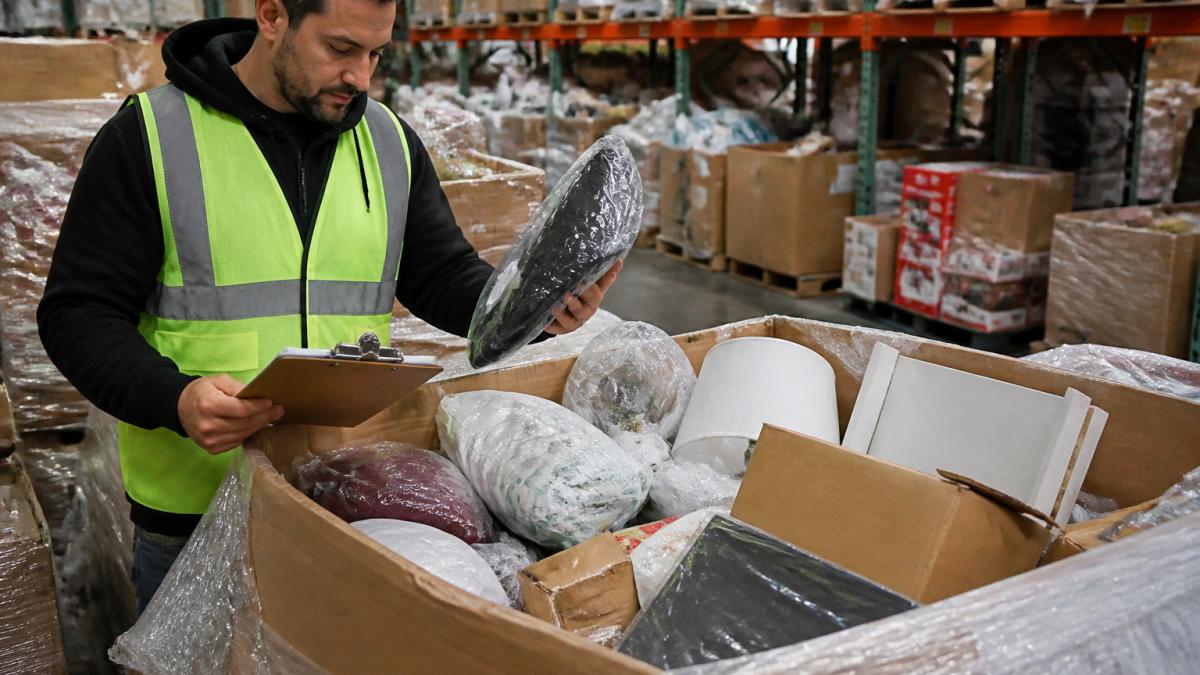
The complaint we hear most from buyers is simple: the manifest said one thing, the box contained another. That gap is where margin dies.
Category-Specific Sourcing Strategy for New Resellers
Category-specific sourcing beats general buying for new resellers, but on Amazon the category you source must also be one you are approved to sell in. That link is the gap most liquidation guides miss. Pick one or two categories you understand, confirm your Amazon eligibility, and build a repeatable supply line before you branch out.
Match Sourcing to Amazon Category Eligibility
Amazon groups products into categories, and some require approval before you can list. Common approval-gated areas include certain health and personal care items, some grocery and gourmet categories, and various branded or gated products.
The practical rule: source only in categories where you can already list, or where you are willing to complete the approval process first. Buying a pallet of inventory you cannot list converts working capital into storage cost.
Start Narrow, Then Measure Sell-Through
Start narrow. If you know consumer electronics, source electronics lots and learn the defect patterns. If you run a discount bin store, prioritize high-volume categories with fast turnover and low per-unit cost.
For Amazon specifically, track three numbers per category before you scale: sell-through rate over 60 to 90 days, average landed cost per sellable unit, and return or defect rate.
A Low-Risk First-Purchase Plan
New resellers should treat their first few purchases as paid research, not a profit attempt. A practical sequence:
- Set a hard budget cap for your first 90 days and do not exceed it, even on a lot that looks exceptional.
- Buy one small lot or a sample lot in your target category rather than a truckload.
- Inspect and grade every unit before listing, and record what percentage was sellable as new, sellable with flaws, and unsellable.
- Compare your actual landed cost against your pre-purchase estimate, including freight, fees, and any testing or repair time.
- Scale only the categories where your measured sell-through and margin clear your target after two or three purchases.
Warning Signs That Should Stop a Purchase
Some signals should end your evaluation regardless of price:
- The seller will not publish a manifest before the auction closes.
- The seller cannot explain where the inventory came from or provide sourcing documentation.
- The lot is heavily weighted toward categories you are not approved to sell in.
- The minimum purchase is a full truckload with no option to test a single pallet first.
- The seller has no stated process for condition claims or manifest discrepancies.
For resellers building toward Amazon, match your sourcing to your approved categories. There is no point buying inventory you cannot list. Test small, measure your actual sell-through, and scale the categories that clear.
Conclusion: Building a Reliable Supply Chain
The hardest part of reselling is not finding inventory; it is finding a supply chain you can trust week after week. Auction marketplaces, direct sourcing, and retailer programs each solve part of that problem, and the resellers who win test small, measure landed cost honestly, and stick with sellers who publish accurate manifests.
At Quicklotz, we have spent over 15 years in reverse logistics helping online resellers, auction warehouses, and discount stores source high-quality liquidation merchandise at 60-90% off, with daily online auctions starting at just $5 and worldwide shipping.
Frequently Asked Questions
Where can I buy liquidation pallets to resell on Amazon?
You can buy liquidation pallets through online auction marketplaces, direct sourcing from wholesale liquidators, and retailer or brand liquidation programs. Quicklotz runs daily online auctions starting at $5, with worldwide shipping from strategically located warehouses. Before bidding, compare platforms on manifest detail, lot size, buyer fees, and freight costs. Direct sourcing often gives you more control over product categories and condition than one-off auction wins, which matters if you need consistent Amazon inventory rather than a single gamble.
Are Amazon return pallets worth buying in 2026?
They can be worth it if you calculate landed cost and condition-adjusted value before bidding. Amazon return pallets typically mix customer returns, overstock, and damaged goods, so sell-through rate varies by category. New resellers should start with small pallet lots to test a platform's manifest accuracy, then scale once they know their real defect rate. If 20-30% of a pallet is unsellable, your profit margin shrinks fast unless your purchase price accounts for it.
How do I check whether pallet items are eligible to sell on Amazon?
Amazon seller eligibility for liquidation items depends on category gating, brand restrictions, and product authenticity requirements. Before you bid, check whether the category requires approval, whether the brand is restricted, and whether you can supply invoices if Amazon asks. Items that are used, opened, or missing UPCs may fall outside new-condition listing rules. Build a short eligibility checklist and run every lot against it before committing budget, because unsellable inventory is the fastest way to kill your margin.
How do you calculate profit on a liquidation pallet?
Start with the purchase price, then add buyer fees, shipping or freight, and any inspection or refurbishment costs to get your true landed cost. Estimate resale value using recent sold prices for the specific categories in the lot, not retail MSRP. Apply a realistic sell-through rate and subtract Amazon referral and fulfilment fees. A liquidation pallet profit calculation only works if you adjust for the percentage of damaged or unsellable items, which is where most new resellers overestimate their returns.