 how-to
Liquidation Marketplace Buyer Protection Policies That Actually Pay
Last Updated: November 1, 2026
Quick Summary
Buyer protection on a liquidation marketplace is a platform-backed policy that can refund or reimburse you when an eligible order arrives misrepresented, damaged in transit, or never arrives. It only applies to protected purchases made through the platform's own checkout, inside the claim window, with a paper trail to prove it.
- Only transactions completed through onsite checkout qualify for buyer protection, so off-platform payments leave no protected purchase.
- Liquidation lots are often sold as-is and final sale, but disclosed condition does not automatically waive protection for misrepresentation.
- Document the pallet intact on camera with the shipping label and tracking visible before you open it.
- Signing a delivery receipt without noting visible pallet damage can void a freight claim before it starts.
- Most policies exclude perishable goods, vehicles, precious metals, and counterfeit or gray-market goods.
Table of Contents
- What Buyer Protection Actually Covers on a Liquidation Marketplace
- Liquidation Marketplace Return Policy vs Purchase Protection
- Reading Liquidation Lot Condition Descriptions Before You Bid
- The Buyer Protection Claim Process, Step by Step
- Freight, Pallet, and Bulk-Shipment Claims
- Exclusions, Deadlines, and Unauthorized Transactions
- A Pre-Purchase Due-Diligence Checklist for Liquidation Buyers
- Source Your Next Pallet With the Paper Trail Already in Place
- Frequently Asked Questions
What Buyer Protection Actually Covers on a Liquidation Marketplace
Buyer protection on a liquidation marketplace is a platform-backed policy that can refund or reimburse a buyer when an eligible order arrives misrepresented, damaged in transit, or never arrives. It is not a warranty, and it is not automatic. The liquidation service market was valued at $3,323.85 million in 2021, with Cognitive Market Research projecting $4,450.42 million by the end of 2026, so the volume of claims is only growing.
The core rule is simple: protection attaches to a protected purchase made through the platform's own checkout, inside a claim window, with a paper trail to prove it. Miss any one of those three and the claim usually fails.
The Onsite Checkout Rule Most Buyers Miss
The single biggest reason claims get denied is payment method. According to Facebook's Purchase Protection Policies, only transactions completed through onsite checkout qualify, and buyers get a 7-calendar-day claim deadline for specified claims, with a separate 60-day window for unauthorized transactions.
Pay a seller by bank transfer or a payment app outside the platform, and you have no protected purchase at all. No checkout record, no claim. That is the first thing to check before you bid, not after.
Liquidation Marketplace Return Policy vs Purchase Protection
These are two different things, and confusing them costs buyers money. A liquidation marketplace return policy is the seller's or platform's rule for sending goods back. Purchase protection is the platform's dispute and refund mechanism when something goes wrong. Returns are voluntary and contractual.
The distinction matters more on a liquidation marketplace than on a general retail site because most liquidation inventory is sold as-is and final sale.
| Feature | Return Policy | Purchase Protection |
|---|---|---|
| Who sets it | Seller or platform | Platform |
| Trigger | Change of mind or defect | Misrepresentation, damage, non-delivery |
| Deadline | Varies by seller | Fixed claim window |
| Evidence needed | Order record | Order record, photos, tracking, manifest |
| Outcome | Refund or credit | Refund or reimbursement |
| Liquidation reality | Often final sale or as-is | Still available if the lot is misrepresented |
A common pattern in liquidation disputes is a buyer asking for a return when the correct path is a protection claim.
Three liquidation-specific terms decide which path applies:
- As-is and final sale. These terms limit returns but do not automatically waive protection for misrepresentation. Disclosed condition is the dividing line.
- Manifest accuracy. A lot that is short against the manifest is usually a protection issue, not a return issue, because the return policy rarely covers shortages.
- Salvage and untested grades. Salvage condition descriptions often disclose that items may not work. A claim for non-working items in a disclosed salvage lot is weak; a claim for items missing from the manifest is stronger.
Liquidation lots are often sold as-is, so returns can be limited. Protection depends on documentation, not goodwill. Save the return policy and the protection policy at bid time, note which one applies to your lot category, and keep the condition description with both.
Reading Liquidation Lot Condition Descriptions Before You Bid
A condition description is the seller's written statement of what the lot contains and what state it is in. Treat it as the contract. If the description says "customer returns, untested, sold as-is," a claim for a non-working item will likely fail because the condition was disclosed.
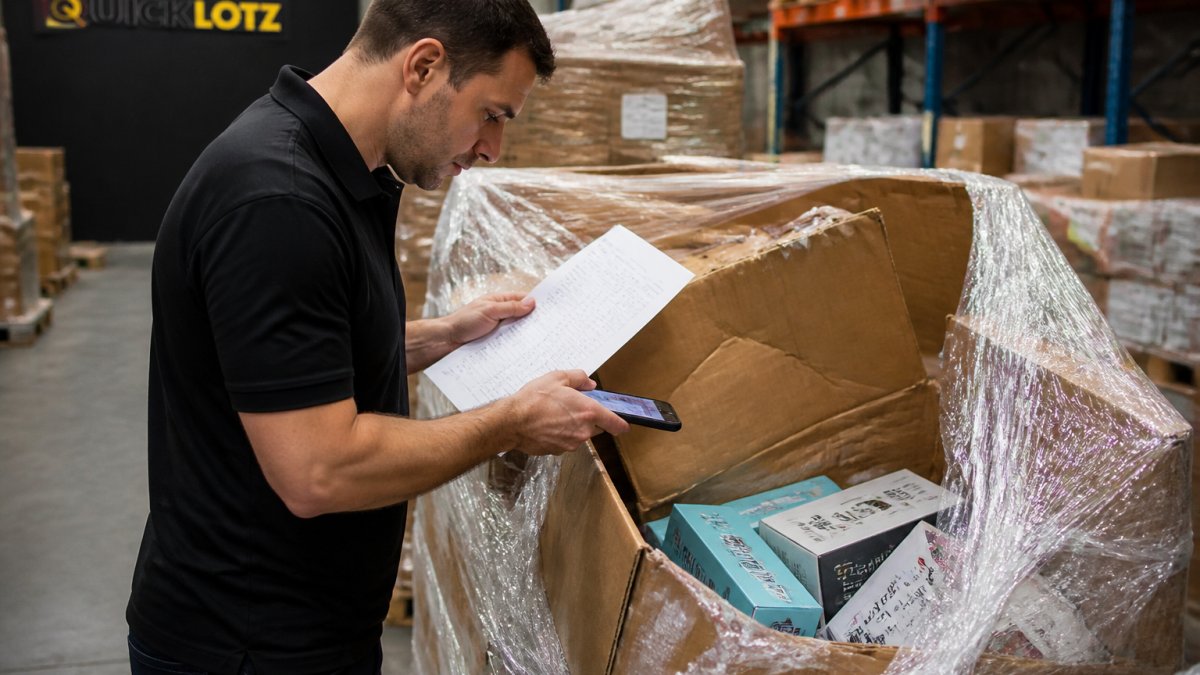
What to check before bidding:
- Manifest accuracy: does the listed SKU count match the stated quantity?
- Condition grade: new, like-new, returns, salvage, or scrap?
- Retail vs. liquidation value: is the stated retail figure realistic?
- Exclusions: are perishables, vehicles, or precious metals carved out?
Save a copy of the description and manifest at bid time. Screenshots with a visible date are your evidence if the delivered lot does not match.
The Buyer Protection Claim Process, Step by Step
The buyer protection claim process follows a fixed sequence, and each step has a deadline. Here is how it runs in practice:
- Confirm eligibility. Check the order went through onsite checkout and sits inside the claim window.
- Gather evidence. Photos, manifest, tracking, and the original condition description.
- Open the claim through the platform's resolution center, not by email to the seller.
- Submit before the deadline. Late claims are usually closed without review.
- Respond to requests for extra documentation within the stated time.
- Track claim status and escalate if the window closes with no resolution.
If you are new to the platform, review the order process before bidding so you understand where your claim sits.
Evidence to Collect Before You Open the Pallet
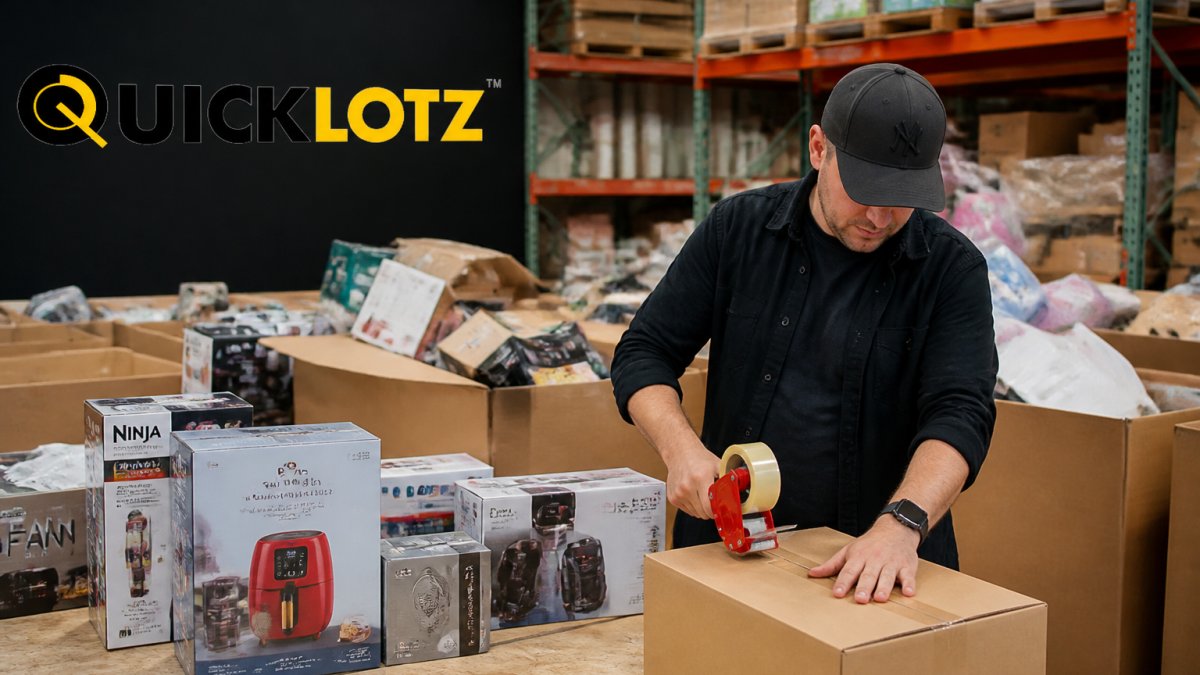
Document first, open second. Film the pallet intact, with the shipping label and tracking visible. Then open it on camera. Photograph each damaged or missing item against the manifest line. Keep the proof of purchase, transaction date, and delivery date in one folder. Evidence gathered after the fact is weaker, and platforms weigh timestamped records heavily.
Freight, Pallet, and Bulk-Shipment Claims
Freight damage is its own category, and it is a common source of losses for bulk buyers. A bulk-shipment claim is not the same as a parcel claim: the carrier, the delivery receipt, and the inspection timeline all become part of your evidence file. The platform's purchase protection may cover misrepresentation or non-delivery, but freight damage and shortages usually require a carrier claim running in parallel.
The practical sequence for a freight or pallet claim:
- Inspect before signing. Walk the pallet, photograph all four sides, and note any crushed cartons, shifted layers, torn wrap, or missing cartons on the delivery receipt. A clean signature is the most common reason a freight claim fails.
- Note exceptions in writing. Write "damaged" or "short" on the carrier's paperwork at the dock, and keep a copy. Verbal notes to the driver are not enough.
- Photograph the intact pallet and the label. Film the pallet before you break the wrap, with the shipping label and tracking number visible. Then open it on camera.
- Reconcile against the manifest. Count cartons and SKUs against the manifest line by line. A shortage claim needs the manifest, the delivery receipt, and photos of what actually arrived.
- File with the carrier and the platform. Carrier freight claims and platform protection claims have different deadlines and evidence rules. File both if the loss is covered by both, and reference the same evidence file.
- Preserve the packaging. Do not discard damaged cartons, wrap, or pallet materials until the claim is resolved. Inspectors may ask for them.
Shortages are a separate problem from damage. A pallet that arrives intact but is short two cartons is a manifest-accuracy issue, not a freight-damage issue. Document the carton count on camera, keep the manifest, and open the platform claim under the misrepresentation or shortage category rather than the carrier damage category. Mixing the two is a common reason claims get bounced between the carrier and the platform.
Before you commit to a truckload, budget the freight properly. Pricing depends on quantity, dates, and delivery, so request a quote for current freight costs.
Exclusions, Deadlines, and Unauthorized Transactions
Policy exclusions are where claims quietly die. Most policies exclude ineligible items such as perishable goods, vehicles, precious metals, and counterfeit or gray-market goods.
Deadlines are just as unforgiving. The filing deadline runs from delivery, not from when you got around to inspecting. An unauthorized transaction is a separate track with its own longer window, so report fraud to your payment provider and the platform in parallel.
Laws governing disputed lots vary by jurisdiction, so consult official sources or a qualified professional for the rules that apply to you. For more on the legal side of buying and selling liquidated merchandise, read about legal considerations.
A Pre-Purchase Due-Diligence Checklist for Liquidation Buyers
Due diligence happens before the bid, not after the box opens. Run this checklist every time:
- Confirm the sale uses onsite checkout with a protected purchase
- Save the condition description and manifest with a dated screenshot
- Note the claim window and put the deadline in your calendar
- Check the policy exclusions against the lot category
- Confirm the payment method leaves a record
- Set a maximum bid before the auction starts
- Plan freight and note any damage at delivery
For step six, set a maximum bid before the auction starts so you do not overpay on a lot you cannot claim on.
Source Your Next Pallet With the Paper Trail Already in Place
The buyers who get paid are the ones who documented everything before the pallet arrived. Clean checkout, saved manifests, dated photos, and a calendar reminder on the claim window turn a dispute from a fight into a formality. Quicklotz has spent 15+ years in reverse logistics, with daily online auctions starting at $5 and worldwide shipping.
Start with our liquidation truckloads catalog and review the condition description and policy terms before you bid.
Frequently Asked Questions
What does buyer protection cover on a liquidation marketplace?
Coverage depends on the platform, but marketplace policies typically address items that never arrive, arrive damaged in transit, or differ materially from the listing. Read the policy before bidding, because liquidation-specific terms often narrow what counts as a covered discrepancy.
Are liquidation marketplace purchases refundable?
Most liquidation sales are final by default, and refunds come through a claim rather than a standard return. The liquidation marketplace return policy usually defines a short window for reporting problems, so photograph the pallet on arrival and file within that window. Refunds and reimbursements are common outcomes when evidence is clear, but they are not automatic and rarely cover resale value you expected to earn.
How do I file a claim for a damaged or misrepresented liquidation lot?
Start inside the platform's claim system, not by emailing the seller. Attach your order record, transaction date, delivery date, tracking information, photos of the packaging and contents, and the manifest line that was not met. Check your platform's claim deadlines first. Keep the paper trail intact until the claim status is resolved.
Are shipping costs covered by buyer protection?
Often not, or only partially. Freight and pallet shipping are frequently listed under policy exclusions because the carrier, not the marketplace, handles the damage. File a freight claim with the carrier and a separate claim with the marketplace, and keep delivery photos and the signed bill of lading. Confirm before you bid whether the policy reimburses shipping or only the merchandise value.
The difference between a claim that pays and one that dies in review is preparation, not luck. Quicklotz gives resellers access to merchandise at 60-90% off with documented manifests, strategically located warehouses, and worldwide shipping, so your order record and evidence trail start clean. Get started with Quicklotz and source your next pallet from a supplier that puts the paperwork first.