 how-to
How to Market a Bin Store Locally and Fill Your Bins
Last Updated: November 2, 2026
Quick Summary
To learn how to market a bin store locally, start with free tools: claim and optimize your Google Business Profile with accurate hours, weekly photos and posts, build local keywords into everything, and turn checkout reviews into a habit. Then add a weekly rhythm of small promotions, scheduled social posts, and a simple loyalty program. Track foot traffic and promotion redemptions every Friday so your budget goes further.
- Ask your first 20 customers how they found you and log the answers.
- Post three to five times a week on one primary platform tied to your price-drop schedule.
- Rotate offers instead of running the same discount weekly, which trains shoppers to wait.
- Give each promotion two to three weeks before judging whether it worked.
- Reward weekday traffic with double stamps on slow days like Tuesdays.
Table of Contents
- Start With the Local Basics Before You Spend a Dime
- Bin Store Marketing Ideas That Fill the Floor on Slow Days
- Bin Store Social Media Marketing That Drives Foot Traffic
- Bin Store Grand Opening Ideas That Create a Line Out the Door
- Bin Store Loyalty Program Ideas That Bring Shoppers Back
- Track What Works So Your Marketing Budget Goes Further
- Stock Your Bins With Inventory That Sells Itself
- Frequently Asked Questions
Start With the Local Basics Before You Spend a Dime
Before you spend money on ads, you need to know how to market a bin store locally with the free tools already in front of you. Most new owners skip this step. That is a mistake.
Local marketing is the work of getting nearby shoppers to find your store, walk in, and come back. It starts with your address, your hours, and your Google Business Profile, but the difference between a profile that exists and one that actually drives foot traffic is in the details.
Claim and Optimize Your Google Business Profile
Your Google Business Profile (GBP) is one of the most useful local discovery tools available to a store owner. When someone searches "bin store near me" or "liquidation store [your city]," Google often shows a map pack of nearby businesses. Optimizing this profile helps establish your store as a community staple, fostering a deeper connection with customers who prioritize supporting local businesses.
Here is what to set up first:
- Claim your profile at business.google.com and verify by phone or postcard.
- Choose the right primary category. "Discount store" is common, but check what similar stores in your area use. You can add secondary categories like "Liquidation store" or "Overstock and surplus store" if they fit.
- Write a keyword-rich description. Include your city, neighborhood, and what you sell, for example: "Bin store in [City] offering overstock, customer returns, and daily price drops on general merchandise, electronics, and housewares."
Build Local Keywords Into Everything
You do not need an SEO agency. You need to use the words your customers type. Common patterns include:
- "bin store [city]"
- "liquidation store near me"
- "overstock store [neighborhood]"
- "customer return bins [city]"
Put those phrases in your GBP description, your website page titles, your social media bios, and your voicemail greeting. Consistency helps Google connect your store to the query.
Turn Reviews Into a Habit
Reviews are the currency of local search. A simple ask at checkout, "If you found something good today, a quick Google review helps other shoppers find us", works better than a sign on the wall. Respond to every review, positive or negative, within a day.
Get Listed in Local Directories and Groups
- Add your store to local Facebook groups and community boards.
- Claim your listing on Yelp, Apple Maps, and any local chamber of commerce directory.
- Ask nearby complementary businesses (a coffee shop, a laundromat) to cross-link or share your opening announcement.
A common mistake is opening the doors with no online presence at all. Shoppers search before they drive. If they cannot find you, they go somewhere else.
You also need stock before you promote. If you are still weighing options, our guide on how to buy customer return pallets locally explains the process, and you can check liquidation warehouse locations to find a site near you.
Get the basics right and the paid ads will work harder. Skip them and you will pay to send people to a store they cannot find.
Bin Store Marketing Ideas That Fill the Floor on Slow Days
Slow days kill bin stores. Tuesday afternoons and rainy weekends drain your margin while rent keeps running.
Here are bin store marketing ideas that cost little and move stock:
- Dollar days: drop one category to a flat low price for a single day
- Fill-a-bag sale: shoppers pay one price to stuff a bag
- Clearance corner: move slow stock to a marked table
- Text blasts: send a short message the morning of a slow day
The trick is to announce each one. A sale nobody hears about is just a price cut.
Watch out: running the same discount every week trains shoppers to wait.
Price drops work best when they follow a schedule. Shoppers learn that Monday means new markdowns.
Bin Store Social Media Marketing That Drives Foot Traffic
Social media is where bin store social media marketing earns its keep. Short videos of real finds beat polished ads every time. But consistency without a plan is just noise. The stores that win use a simple weekly calendar tied to their price-drop schedule.
Build a Weekly Content Calendar
Post three to five times a week. Keep it simple and repeatable:
- Monday: Preview the week's price-drop schedule. "New markdowns start Wednesday, here's what's hitting the bins."
- Tuesday: Restock video. Film a few boxes being opened and show one or two standout items with prices.
- Wednesday: Price-drop announcement. Post the night before or the morning of. Show the sign and one example item.
- Thursday: Customer haul (with permission). A real shopper showing what they found builds trust faster than any ad.
This rhythm does two things: it trains followers to check your page on certain days, and it aligns your posts with the in-store schedule so the message matches the experience.
Make Local Tags Work Harder
Local tags matter more than follower count. Tag your city, your neighborhood, and nearby landmarks. Use location tags on every post and add your city to your bio. Ask followers to share, but make it easy by giving them a reason: "Tag a friend who loves a bargain."
Use the Platforms That Fit Your Shoppers
You do not need to be everywhere. Pick one primary platform based on where your shoppers spend time:
- Facebook: Strong for local groups, community boards, and older bargain hunters. Join local buy/sell groups and share your price-drop posts there (follow group rules).
- Instagram: Best for short videos and photos of finds. Use Stories for daily price drops and Reels for restock videos.
- TikTok: Good for viral-style "come shop with me" videos, but requires more frequent posting to gain traction.
According to Google's guidance on local business visibility, complete profiles with fresh photos and regular posts appear more often in local search results. That is free reach you should not waste, and the same principle applies to social profiles: complete bios, recent posts, and local keywords help you get discovered.
Measure What Matters
Likes are nice; foot traffic is better. Track these simple metrics weekly:
- Profile visits and direction requests (available in Instagram and Facebook insights).
- Messages and comments asking about hours or inventory.
- Promotion redemptions when shoppers mention a post at checkout.
When you find a format that works, repeat it.
For a deeper list of opening tactics, read our guide on the best bin store grand opening ideas.
Bin Store Grand Opening Ideas That Create a Line Out the Door
A grand opening is your one chance to make a first impression.
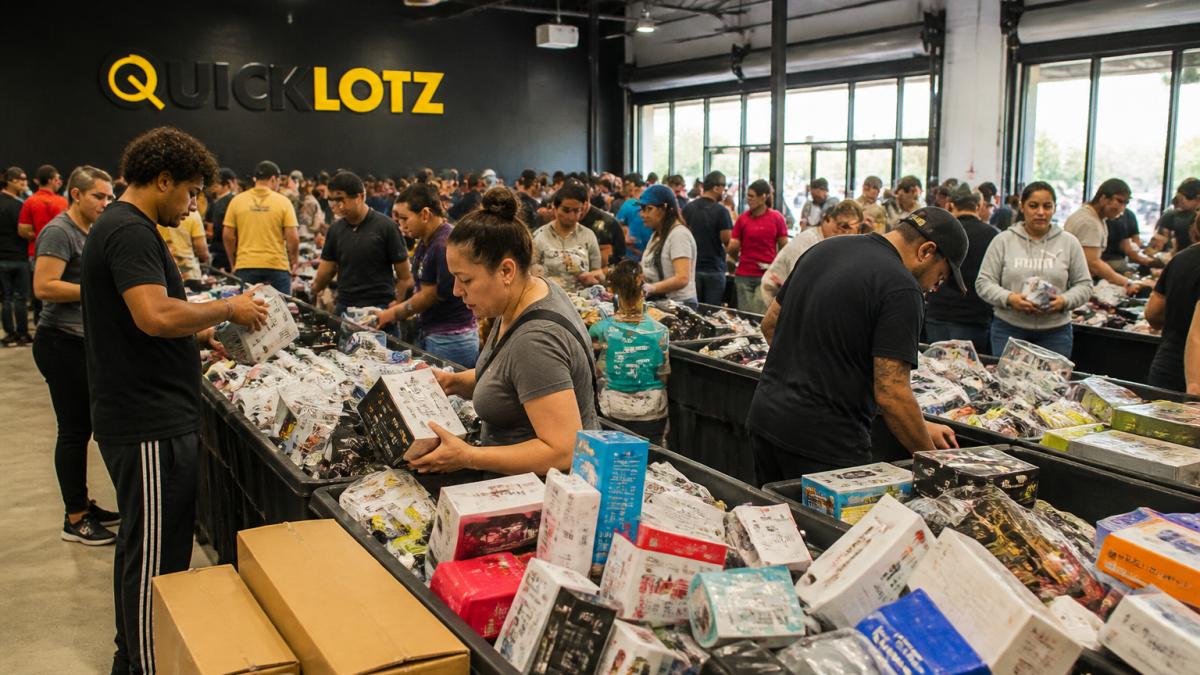
Strong bin store grand opening ideas share one trait: they give people a reason to arrive early. Try these:
- A doorbuster price on the first hour only
- Free reusable bags for the first 50 shoppers
- A raffle ticket with every purchase
- A local radio or community group mention
Announce the date two weeks out on social media and in local groups. Ask a nearby business to cross-promote.
Watch out: overpromising stock you do not have creates angry shoppers.
For a deeper list of opening tactics, read our guide on the best bin store grand opening ideas.
Bin Store Loyalty Program Ideas That Bring Shoppers Back
Repeat customers cost far less than new ones (The Value of Keeping the Right Customers).
Keep the program simple. Shoppers will not carry a card they do not understand.
- Stamp cards: buy nine times, get the tenth discount
- Text club: join for early access to price drops
- Members-only hour: first pick before the public
- Referral reward: bring a friend, both get a discount
The best programs reward the behavior you want. If you need weekday traffic, give double stamps on Tuesdays.
Track sign-ups at the register. A program nobody joins is just a poster on the wall.
Track What Works So Your Marketing Budget Goes Further
Most small stores guess. A few track. The ones that track spend less and sell more.
You do not need fancy software. Start with a simple sheet.
| What to Track | How to Measure It | Why It Matters |
|---|---|---|
| Foot traffic | Daily door count | Shows if campaigns work |
| Promotion redemption | Coupon or code count | Reveals which offers land |
| Average transaction | Sales divided by shoppers | Tells you if baskets grow |
| Customer acquisition cost | Ad spend divided by new shoppers | Keeps spend honest |
| Repeat rate | Returning shoppers per month | Proves loyalty efforts pay |
Review the sheet every Friday. Cut what fails. Double down on what works.
A common mistake is judging a campaign after one day.
Measuring campaign performance turns marketing from a cost into an investment.
Stock Your Bins With Inventory That Sells Itself
Marketing fills the floor. Inventory keeps it full. No ad campaign can save a store with empty bins.
Shoppers return for the hunt. Smaller stores can start with an AMZ Premium BIN Store Pallet that fits their scale. Stock up with AMZ Premium BIN Store Truckload loads built for bin stores.
At Quicklotz, we supply liquidation merchandise to bin store operators. Browse our current offerings and pricing on our website or request a quote for truckload and pallet options that suit your store.
With over 15 years of experience in reverse logistics and daily online auctions, we help operators source merchandise for their stores.
Frequently Asked Questions
How can a bin store attract more local customers?
Start with the channels people already use to find nearby shops: a complete Google Business Profile with photos, hours, and your price-drop schedule, plus consistent posts on local Facebook groups and community pages. Run a weekly promotion tied to your restock day so there is always a reason to visit. Partner with nearby businesses on cross-promotions, and ask every satisfied shopper for a review.
How do I get customers to return to my bin store?
The strongest driver is a predictable price-drop schedule. Shoppers plan their trips around the day prices fall, so post it clearly in-store and online. Add a simple loyalty program, such as a punch card that earns a discount after a set number of visits, and make sure your bins are restocked before your busiest days. Repeat customers come back when they know exactly what they will find and when.
What local promotions work best for a bin store?
Dollar days and fill-a-bag sales are simple promotions that are easy to understand. A fill-a-bag offer on slower weekdays moves older inventory while bringing in new shoppers. Pair promotions with a clear end date and promote them on social media and in your window display. Track redemption counts so you know which offers actually drive sales rather than just traffic. Rotate promotions monthly so shoppers do not wait for the same deal every time.
How do bin stores get their merchandise?
Most bin stores buy liquidation stock from reverse logistics companies that handle overstock, customer returns, and slightly damaged goods from major retailers. The merchandise arrives in truckloads or pallets and gets sorted into bins by price tier. Working with an established supplier matters because manifest accuracy and product quality vary widely. Quicklotz, for example, has over 15 years in reverse logistics and runs daily online auctions,
Filling bins week after week takes a reliable supplier, not a one-time score. Quicklotz gives bin store owners access to truckloads and pallets at deep discounts, with daily online auctions and worldwide shipping. Get started with Quicklotz and keep your bins full, your prices sharp, and your shoppers coming back.