 blog
Retail Excess Inventory Buyers: A 2026 Guide
Table of Contents
- What Excess Inventory Buyers Actually Do
- Types of Inventory These Buyers Accept
- How to Sell Excess Inventory: The Process Explained
- Selling Excess Clothing Stock to Liquidation Buyers
- Choosing the Right Inventory Liquidation Companies
- How Much Do Liquidators Pay for Inventory
- Maximizing Your Recovery Value
- Frequently Asked Questions
Last Updated: October 19, 2026
What Excess Inventory Buyers Actually Do
Excess inventory buyers are companies that purchase unsold merchandise from retailers, wholesalers, and distributors. They take stock off your hands quickly, converting your overstock into cash without requiring you to manage a clearance sale or liquidation effort yourself.
These buyers operate across a simple value chain: they acquire bulk inventory at steep discounts, sort and inspect the goods, then resell through multiple channels, online auctions, discount retailers, international markets, or direct bulk sales. The result is a faster path to recovery for sellers who need liquidity and space.
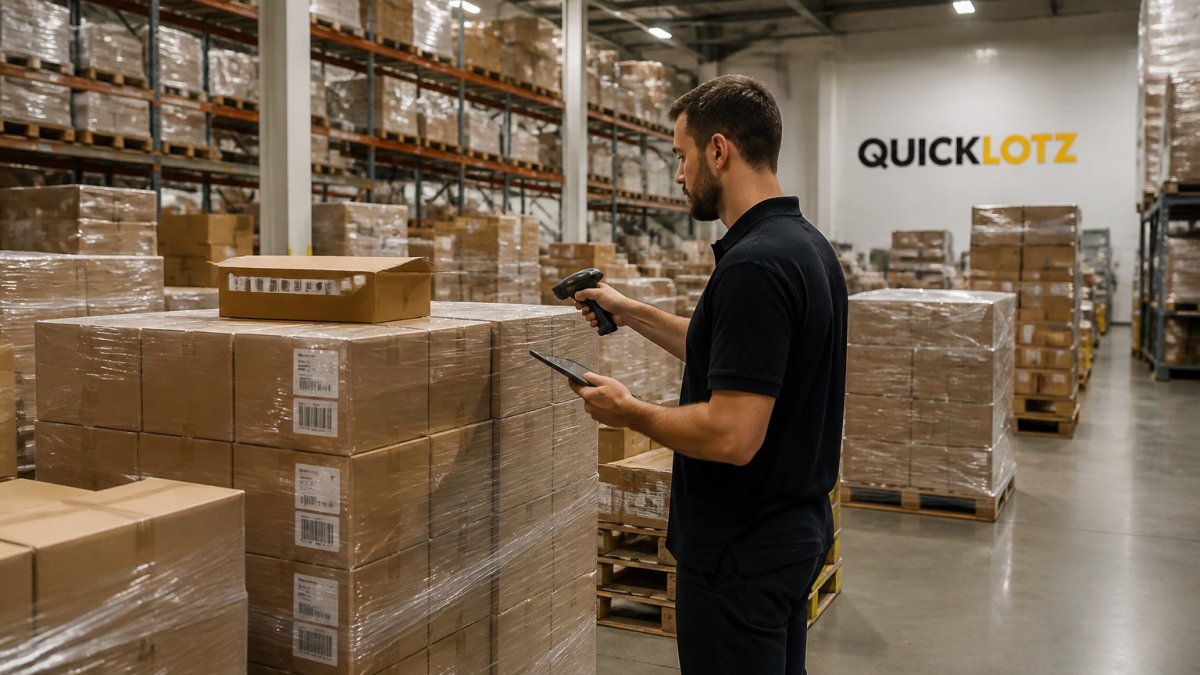
At Quicklotz, we've managed this process for over 15 years, working with retailers ranging from small independent stores to major corporations. The best excess inventory buyers handle more than just transaction logistics. They assess inventory condition accurately, offer transparent valuations, and process payments reliably. The difference between a good buyer and a poor one often comes down to how honestly they evaluate your stock and how quickly they move capital.
Most sellers assume all liquidation buyers work the same way. They don't. Some focus on speed at the cost of lower recovery value. Others demand pristine inventory only. The strongest buyers balance fair pricing, consistent inventory acceptance, and straightforward processes, and that's what separates reliable partners from one-time transactions.
Types of Inventory These Buyers Accept
Excess inventory buyers accept a broad range of merchandise categories, though acceptance depends on condition, volume, and market demand. Understanding what qualifies helps you prepare your inventory list and approach the right buyers.
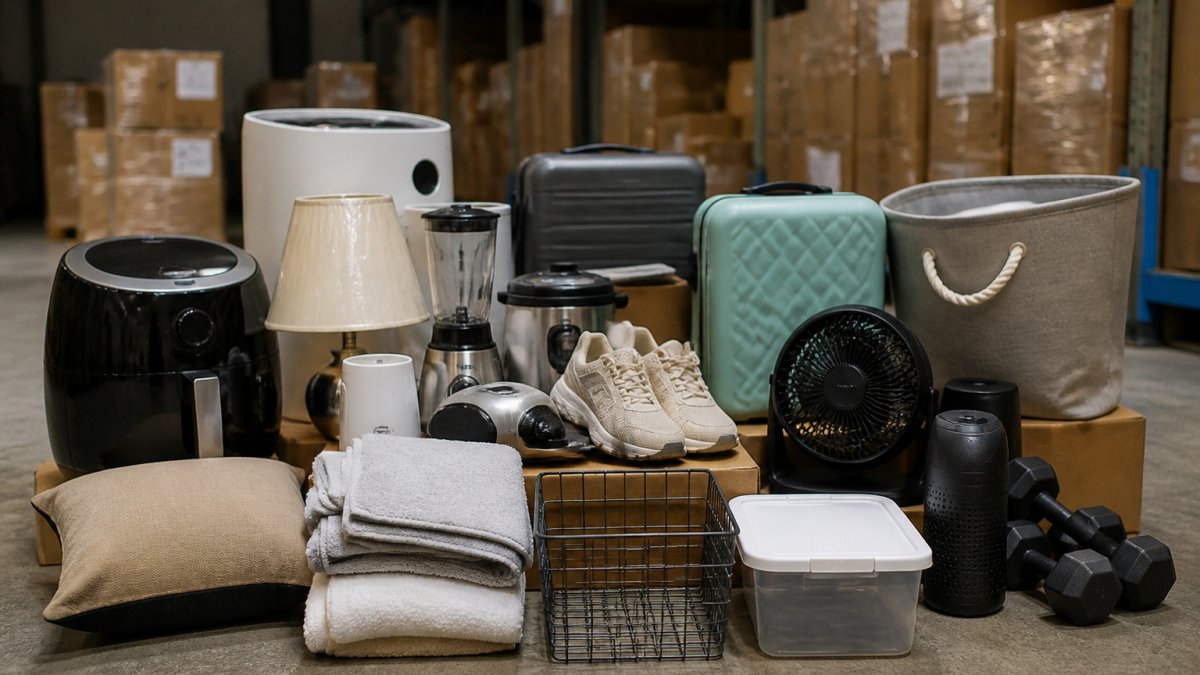
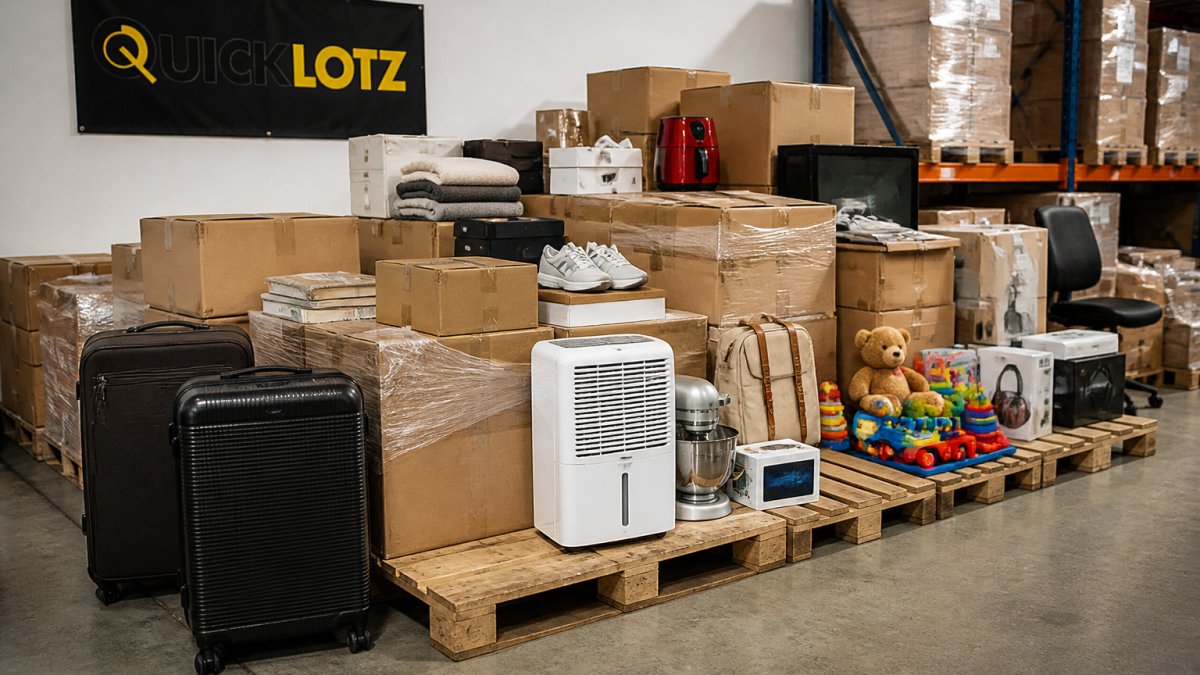
Retail-ready products form the largest category. These include clothing, footwear, accessories, home décor, kitchen items, electronics, toys, and sporting goods.
Overstock and seasonal items are common. Retailers often overestimate demand for seasonal products, winter coats in spring, holiday decorations in January, summer items in fall. Excess inventory buyers specialize in absorbing these timing mismatches.
Returned merchandise represents another major stream. Customer returns that are still in resalable condition but can't go back to regular shelves move through liquidation channels.
Closeout merchandise from store closures or brand discontinuations is standard. When a retailer shuts a location or a brand exits a product line, inventory buyers step in to prevent total loss.
Slow-moving inventory that hasn't sold within expected timeframes also qualifies. This includes items that were once shelf-ready but failed to move, leaving retailers with aging stock and cash tied up.
Most buyers have limits on what they'll accept. Hazardous materials, items requiring special licensing, extremely damaged goods, and recalled products typically fall outside acceptable categories. Food and beverages with expiration dates are usually declined.
The key is preparing an accurate inventory list with SKU details, quantities, and honest condition descriptions. Buyers appreciate transparency, it accelerates the quoting process and prevents disputes later.
How to Sell Excess Inventory: The Process Explained
The process for selling excess inventory to liquidation buyers follows a predictable path, though timelines and requirements vary by buyer.
Step 1: Prepare Your Inventory List
Document what you're selling. Create a detailed list including SKU numbers, product descriptions, quantities per SKU, and condition assessments.
Step 2: Request a Quote
Most excess inventory buyers offer online quote forms or direct contact options. Submit your inventory list through their preferred channel. Provide context: Are these items from store closures, overstock, returns, or seasonal overage?
Step 3: Buyer Assessment and Offer
The buyer evaluates your inventory, either by reviewing your documentation or, for larger lots, by conducting a physical inspection. They assess condition, verify quantities, and check market demand for the product categories.
This is where transparency in your inventory list matters. If your documentation is accurate, the offer process moves quickly. If there are discrepancies, the buyer may request clarification or adjust the offer downward.
Step 4: Negotiate Terms
You're not obligated to accept the first offer. Discuss terms: the total purchase price, payment timing, pickup or delivery arrangements, and any conditions. Reputable buyers are willing to negotiate within reason.
Step 5: Finalize the Sale
Once terms are agreed, you'll typically sign a purchase agreement outlining the transaction details, payment schedule, and any responsibilities (like preparing inventory for pickup). Review this carefully, it protects both parties.
Step 6: Logistics and Payment
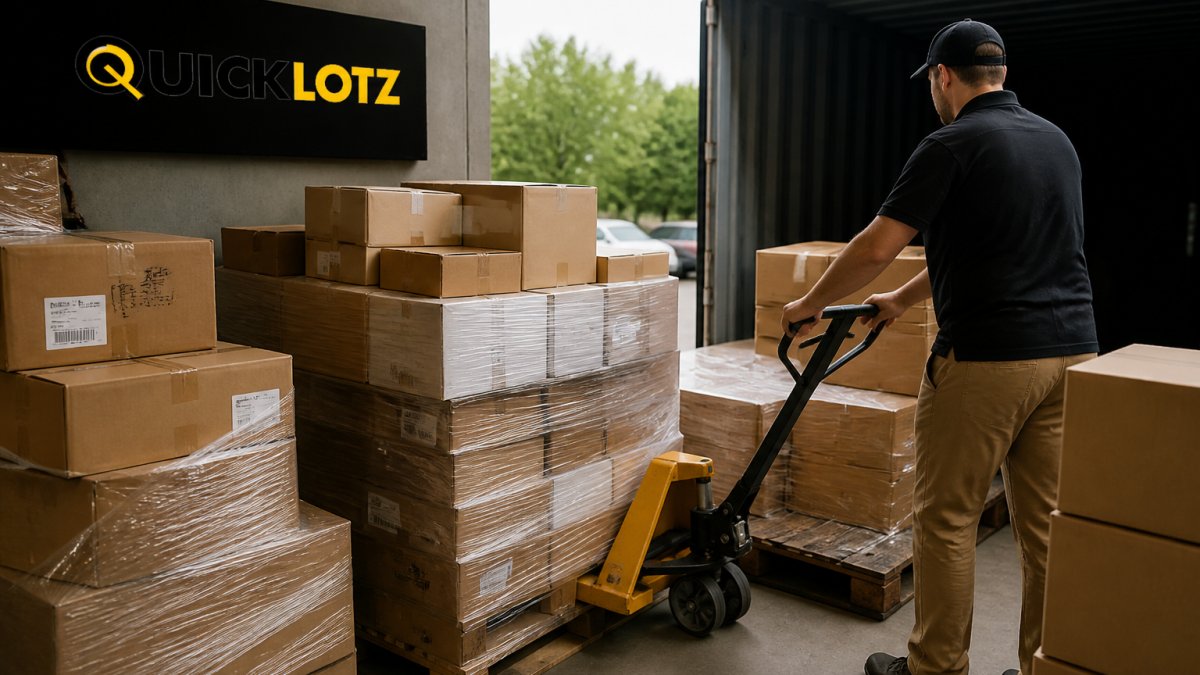
The buyer arranges pickup or you arrange delivery, depending on your agreement. Once the buyer receives and inspects the inventory, payment is processed. Timelines vary, some buyers pay within days, others within weeks.
Selling Excess Clothing Stock to Liquidation Buyers
Clothing represents one of the largest excess inventory categories, and the process for selling excess clothing stock has specific considerations.
Clothing buyers care deeply about condition, size mix, and brand positioning. Stains, odors, missing buttons, or broken zippers reduce recovery value significantly. Inspect every piece before submitting your inventory list. Include condition grades: new with tags, new without tags, gently used, fair condition.
Size distribution matters. A balanced mix of sizes sells faster and commands better pricing. Inventory heavily skewed toward one size (extra-large or extra-small) takes longer to liquidate, so buyers may offer less.
Brand positioning affects pricing. Designer and premium brands retain stronger resale value. Fast-fashion brands and generic private labels have lower recovery rates. Communicate brand composition clearly in your inventory list, it helps buyers price accurately.
Seasonal timing influences offers. Off-season clothing is harder to move, so buyers may discount winter coats in July or summer dresses in December.
Quicklotz accepts clothing across a broad range of conditions and brands because we have direct access to multiple resale channels, online marketplaces, discount retailers, and international buyers. That diversified outlet network means we can absorb inventory other buyers might decline.
For best results with clothing inventory, organize by category (tops, bottoms, dresses, outerwear), include brand names and size ranges, and be specific about condition. Buyers appreciate photos of representative items, especially if condition varies significantly across the lot.
Choosing the Right Inventory Liquidation Companies
Not all excess inventory buyers are created equal. Evaluating liquidation companies requires looking beyond price alone.
Track Record and Experience
How long has the company been operating? Established buyers with years of experience typically have more reliable processes, better market connections, and stronger financial stability. Look for companies with transparent histories, they should be willing to share references or case studies.
Inventory Acceptance Range
Does the buyer accept your specific product categories? Some specialize narrowly (clothing only, electronics only) while others accept broad ranges. Narrow specialists may offer better pricing for their niche but won't help if you have mixed inventory.
Valuation Transparency
How do they calculate recovery value? Reputable buyers explain their pricing logic: market demand for the category, condition assessment, volume discounts, and resale channel accessibility. If a buyer won't explain their valuation, that's a warning sign.
Payment Terms and Speed
How quickly do they pay? Do they pay in full upfront or in installments? What's their payment method, bank transfer, check, wire? Faster payment is valuable if you need immediate liquidity, but ensure the buyer's financial stability supports reliable payments.
Logistics Flexibility
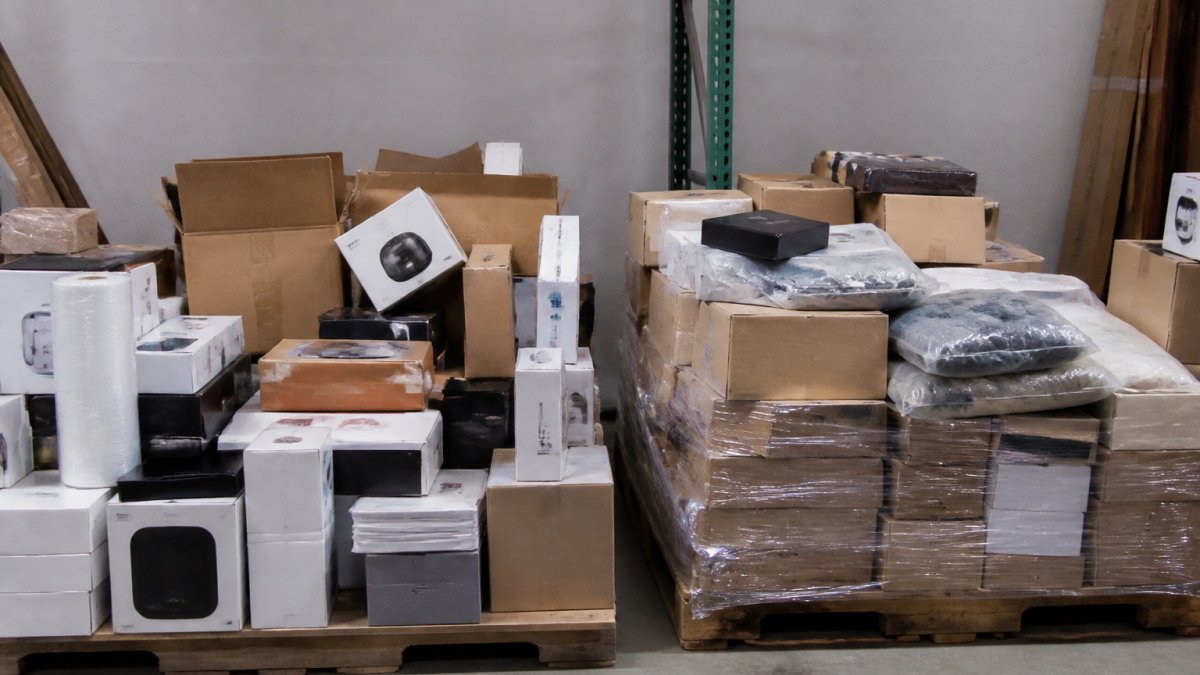
Do they pick up inventory, or do you need to arrange delivery? Can they handle palletized goods, or do they require specific packaging? Do they offer worldwide shipping if you're selling internationally? Logistics flexibility reduces your operational burden.
Customer References
Ask for references from past sellers. A company confident in its service welcomes this request. Speaking with previous clients reveals whether the buyer's actual experience matches their marketing claims.
How Much Do Liquidators Pay for Inventory
Recovery value varies widely based on multiple factors, and understanding what drives pricing helps you set realistic expectations and negotiate effectively.
Category and Brand
Premium and designer brands command higher recovery rates than mass-market goods. Electronics typically return more value than clothing. Seasonal items in off-season return less than year-round basics. Liquidators analyze market demand for each category and price accordingly.
Condition
New or near-new items return significantly higher recovery value than used or damaged goods. Items with original packaging and tags command premiums. Visible defects, stains, odors, or missing components reduce value.
Volume
Larger inventory lots often receive volume discounts. A single pallet of overstock commands a higher per-unit price than 50 pallets of mixed merchandise.
Market Timing
Seasonal timing, market saturation, and broader economic conditions affect pricing. Inventory arriving when demand is high returns better value. The same inventory arriving when the market is flooded with similar goods returns less. Liquidators track these trends constantly.
Logistics and Inspection Costs
If inventory is poorly organized, requires extensive sorting, or demands detailed inspections, liquidators factor those costs into their offer. Well-organized, clearly documented inventory reduces their operational burden and may command slightly better pricing.
Buyer Network and Outlet Channels
Liquidators with access to multiple resale channels, online marketplaces, discount retailers, international buyers, bulk wholesalers, can typically offer better recovery rates because they have more outlets for your inventory.
Quicklotz's approach to pricing reflects our network depth. With daily online auctions, relationships with discount retailers, and international distribution, we can absorb inventory.
Maximizing Your Recovery Value
Several strategies improve the recovery value you receive from excess inventory buyers.
Document Accurately
Provide detailed, honest inventory lists with SKU numbers, quantities, condition grades, and photos. Accuracy builds buyer confidence and accelerates the quoting process. Inaccurate documentation leads to lower offers because buyers build in risk premiums.
Organize and Prepare Inventory
Sort inventory by category, size, color, or condition before the buyer inspects. Clean items if appropriate. Package goods to protect condition during transport.
Understand Market Timing
Sell seasonal inventory in-season when possible. Monitor market conditions, if your product category is experiencing high demand, liquidators will offer more. If the market is saturated, wait if you can or expect lower offers.
Negotiate Actively
The first offer is rarely final. Ask the buyer to explain their valuation and discuss factors that might improve it. If you have multiple offers, use them as negotiation use.
Build Relationships
If you have recurring excess inventory, develop ongoing relationships with trusted liquidators. Consistent suppliers often receive better pricing and more flexible terms. Quicklotz values long-term partnerships because they allow us to plan inventory distribution more effectively.
Consider Volume Consolidation
If you're a small seller with limited inventory, consolidating with other sellers to create larger lots sometimes yields better per-unit recovery. This requires coordination but can improve pricing.
Selling excess inventory doesn't have to mean accepting pennies on the dollar. The right buyer, one with transparent pricing, broad market access, and proven reliability, can recover meaningful value from stock you can't sell through normal channels.
Frequently Asked Questions
Who buys excess inventory and what do they do with it?
Excess inventory buyers are liquidation companies, wholesalers, and resellers who purchase overstock, returns, and closeout merchandise from retailers and manufacturers. They acquire bulk inventory at steep discounts, then resell through secondary markets like online auctions, discount retailers, bin stores, and reseller platforms. This process gives unsold stock a second life while providing sellers with fast cash recovery instead of storing or disposing of dead stock.
How much do liquidators typically pay for inventory?
Recovery value depends on inventory condition, category, age, and market demand. Rather than guessing, submit your inventory details to liquidation companies for a formal quote. Payment terms and timing vary by buyer, so compare offers before committing.
What types of inventory can I sell to liquidation companies?
Liquidation buyers accept excess inventory across most consumer categories: apparel and footwear, electronics, home goods, beauty and personal care, toys, sporting goods, and seasonal merchandise. They also handle returns, overstock from retail locations, closeout merchandise, and slow-moving SKUs. Condition varies from retail-ready to customer returns. Contact buyers directly with your inventory list and category mix to confirm they handle your specific products.
Can small resellers and new entrepreneurs work with excess inventory buyers?
Yes. Many liquidation companies serve small buyers, part-time resellers, and bin store operators alongside large retailers. Some offer mystery boxes, small pallets, or mixed-category lots starting at low price points. Others require minimum order quantities or bulk purchases. Quicklotz, for example, runs daily online auctions starting at $5 and works with resellers of all sizes. Check each buyer's minimum order requirements before approaching them.