 How-to
Consistent Liquidation Supply for Resellers: A Sourcing Guide
Last Updated: November 22, 2026
Quick Summary
Consistent liquidation supply comes from building a repeatable sourcing system instead of chasing one-off deals, using channels like retailer returns, overstock, shelf pulls, and reverse logistics partners. Set reorder points, diversify across two to three suppliers per category, and track landed cost and sell-through per lot to keep inventory flowing.
- Liquidation inventory is surplus, returned, or discontinued merchandise sold in bulk by the pallet or truckload at steep discounts.
- Set your maximum auction bid before bidding opens, based on landed cost and expected sell-through.
- Run every new supplier through five vetting gates, then start with one small test lot in a category you already sell.
- Reorder point equals average weekly sales times supplier lead time in weeks, plus safety stock.
- Quicklotz runs daily online auctions starting at $5 and ships worldwide, with merchandise at 60-90% off retail.
Table of Contents
- Why Consistent Liquidation Supply Decides Who Survives
- Where Resellers Actually Find Liquidation Inventory
- Best Liquidation Sites and How to Tell Them Apart
- Inside a Liquidation Pallets Auction: Bidding Without Overpaying
- Wholesale Liquidation Pallets: Truckloads, Freight, and Bulk Deals
- A Supplier-Vetting Checklist and Test-Buy Plan
- Consistent Liquidation Supply for Resellers Reviews: What Buyers Report
- Build Your Replenishment System With Quicklotz
- Frequently Asked Questions
Why Consistent Liquidation Supply Decides Who Survives
Consistent liquidation supply for resellers is the difference between a side hustle that sputters and a business that compounds. Quicklotz has watched this play out since we started with a single pallet bought for resale on eBay. Growth comes from cadence and cashflow, not from squeezing every dollar out of a single lot.
Stock shortages break that cadence, and scrambling to restock often means overpaying just to stay active.
The fix is boring, and most guides skip it: build a repeatable sourcing system instead of chasing one-off deals. Below, we break down where liquidation inventory actually comes from, how to bid without overpaying, and how to vet a supplier before you commit real money. If you want a deeper look at the survival problem itself, read where resellers find consistent inventory for daily auctions.
Where Resellers Actually Find Liquidation Inventory
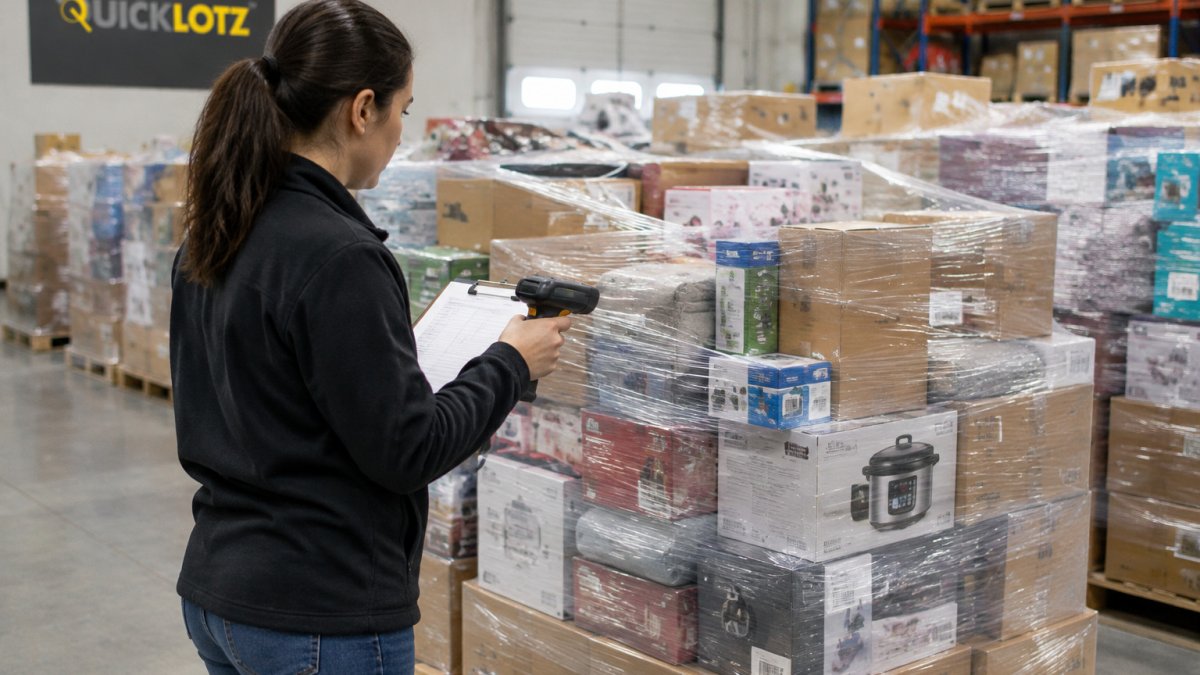
Liquidation inventory reaches resellers through four main channels: retailer return programs, overstock and closeout sales, shelf pulls, and reverse logistics partners who process it all. Each channel produces different merchandise quality, and mixing them up is a common source of disappointment.
Liquidation inventory is surplus, returned, or discontinued merchandise sold in bulk, typically by the pallet or truckload, at a steep discount to retail. The category covers everything from customer returns to end-of-season overstock.
A common mistake is buying the cheapest lot available without checking what category it contains. Clothing pallets, home goods, general merchandise, and tools and auto parts all behave differently on resale platforms.
Returns, Overstock, Shelf Pulls, and Closeouts
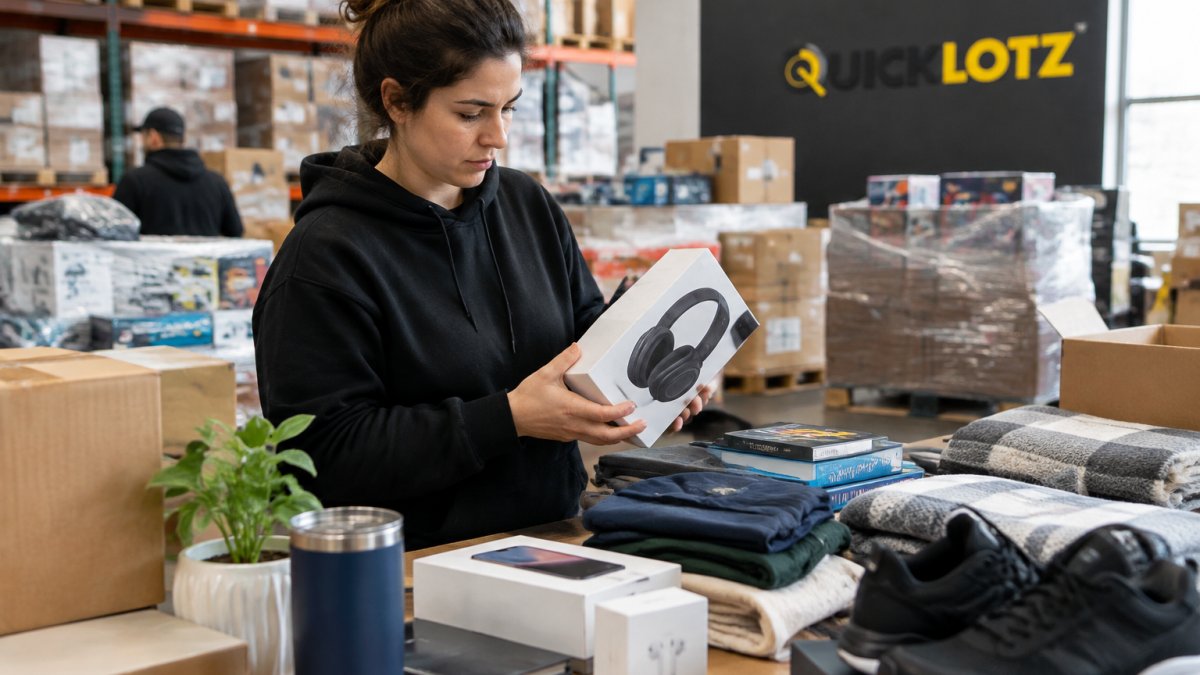
Customer returns are items shoppers sent back, often unopened or lightly used. Overstock is unsold inventory a retailer never moved. Shelf pulls are products removed from display to make room for new stock. Closeouts and discontinued merchandise are lines a brand or store has stopped carrying. Because these different inventory sources can leave gaps in what resellers can reliably offer, reducing retail stockouts also depends on matching replenishment decisions to changing demand.
Returns carry the widest quality variance. Overstock and closeouts tend to be the most predictable, which makes them a safer starting point for sellers building a steady catalog.
Manifested vs. Unmanifested Lots and Condition Tiers
A manifested lot ships with a list of what is inside. An unmanifested lot does not, which makes it a genuine mystery haul and a bigger gamble. Condition tiers describe how much of a lot is sellable as new, how much needs inspection, and how much is salvage.
Manifests are not guarantees. They describe what a supplier recorded, not what survived shipping. Before committing to a manifested supplier, work through how to verify liquidation pallet manifests so you know what to check on arrival.
Best Liquidation Sites and How to Tell Them Apart
Liquidation sites differ on how often they run auctions, whether lots are manifested, and how transparent they are about condition. Auction frequency matters for replenishment: a supplier that lists new inventory regularly supports a steady buying cadence.
Ask for the manifest, ask how lots are graded, and ask what happens when a lot arrives materially different from its description.
At Quicklotz, we run daily online auctions starting at $5 and ship worldwide. We have served more than 500,000 customers across 127 countries.
Inside a Liquidation Pallets Auction: Bidding Without Overpaying
Winning a liquidation pallets auction is not about bidding the highest. It is about knowing your ceiling before the first bid and walking away when the number passes it.

Set your maximum bid before the auction opens, based on landed cost and expected sell-through, not on how badly you want the lot.
- Calculate landed cost first: lot price plus freight plus any handling
- Estimate sell-through by category, using your own past sales
- Set a hard ceiling and write it down
- Skip lots with no manifest or vague condition notes
- Never bid on a category you have not sold before
If you want the full math, our guide to calculating your maximum auction bid walks through it step by step.
Wholesale Liquidation Pallets: Truckloads, Freight, and Bulk Deals
Wholesale liquidation pallets and full truckloads reward planning. Freight is the line item that turns a good bulk deal into a bad one, and first-time buyers routinely forget it. Truckload sourcing means coordinating delivery windows, unloading capacity, and storage before the truck arrives.
Bulk deals make sense when you have the sales channel to absorb the volume. A discount bin store needs high volume at rock-bottom prices; an eBay flipper working part-time does not. Match the lot size to your sell-through rate, not to the discount.
Freight costs vary by distance, weight, and whether you need a liftgate. Budget for them before you bid, and read what first-time buyers should budget for liquidation freight so the number does not surprise you.
A Supplier-Vetting Checklist and Test-Buy Plan
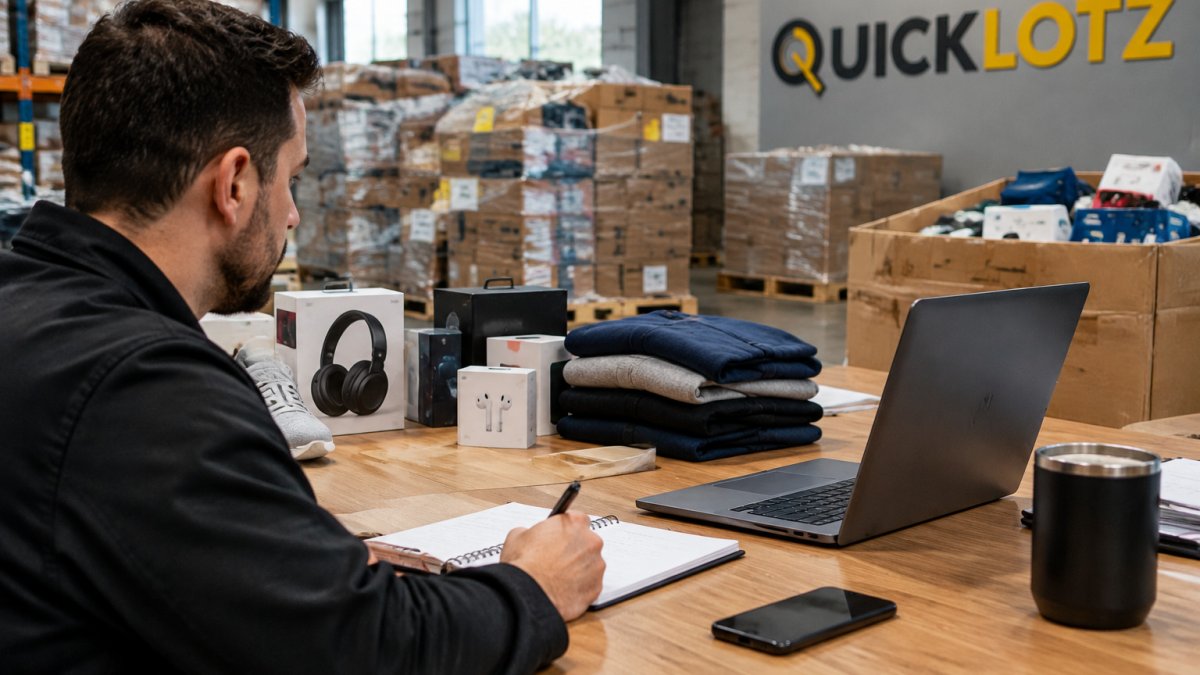
Vetting a supplier is the highest-return hour you will spend, and most guides treat it as a vibe check. A repeatable checklist turns it into a decision. Run every new supplier through the same five gates before you commit real money.
Gate 1: Identity and physical presence. Confirm the supplier's legal business name and warehouse address. Visit the supplier in person before buying, and if a supplier will not let you visit and see the goods, they may be hiding something.
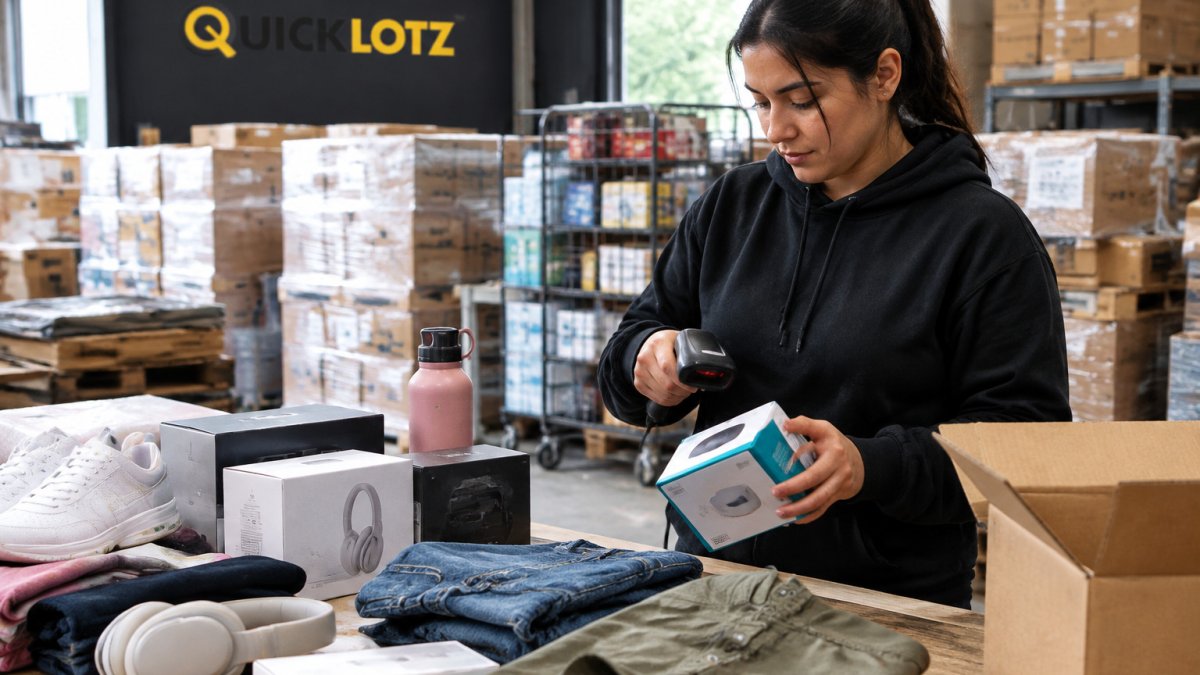
Gate 2: Manifest and condition definitions. Request a sample manifest from a recent lot and compare it to the actual contents of that lot. Ask who grades condition, what the tiers mean in plain language, and how discrepancies are documented.
Gate 3: References and track record. Ask for references from buyers who have purchased repeatedly over time. Check whether the references match your category and volume; a truckload buyer's experience does not tell you how a supplier handles a single pallet.
Gate 4: Payment terms and dispute policy. Confirm accepted payment methods, deposit terms, and how claims are handled when a lot arrives materially different from its listing. Ask what evidence they require (photos, unboxing video, manifest comparison) and how long resolution typically takes.
Gate 5: Shipping coverage and freight claims. Confirm which regions they ship to, who arranges freight, and who files the claim if goods arrive damaged.
The test-buy plan. Start with one small lot in a category you already sell. Before it arrives, write down your expected sell-through, landed cost per unit, and the manifest's claimed contents. When it lands, inspect every box, photograph discrepancies, and track actual sell-through for 30 days.
Quicklotz built small-quantity liquidation boxes for exactly this stage: a low-risk way to test sourcing, manifest accuracy, and category fit before you commit to pallets or truckloads.
Run every new supplier through the same five gates before you commit real money.
| Gate | What to confirm |
|---|---|
| Identity and physical presence | Legal business name and warehouse address; visit in person |
| Manifest and condition definitions | Sample manifest from a recent lot, compared to actual contents |
| References and track record | References from buyers who purchased repeatedly over time |
| Payment terms and dispute policy | Payment methods, deposit terms, claims process, evidence required |
| Shipping coverage and freight claims | Regions shipped to, who arranges freight, who files claims |
Consistent Liquidation Supply for Resellers Reviews: What Buyers Report
Buyers commonly weigh manifest accuracy, shipping cost, and whether new inventory appears on a reliable schedule when choosing a supplier.
Treat any supplier's first lot as a test, verify the manifest against the box, and only then decide whether to build a replenishment rhythm on top of it.
Build Your Replenishment System With Quicklotz
A replenishment system is what turns consistent liquidation supply from a hope into a schedule. The mechanics are simple enough to run on a spreadsheet, and most resellers who scale do some version of this.
Step 1: Forecast demand by category. Use your own sales history, not industry averages. For each category you sell, calculate average units sold per week over the last 90 days and the standard deviation.
Step 2: Set reorder points. A reorder point is the inventory level that triggers a new purchase. A common formula is: reorder point = (average weekly sales × supplier lead time in weeks) + safety stock.
Step 3: Diversify suppliers by category and lot size. Do not rely on one supplier for everything. A common pattern is two to three suppliers per major category, with one primary for volume and one or two backups for gaps.
Step 4: Build a buying calendar. Map your suppliers' auction schedules against your reorder points.
Step 5: Track landed cost and sell-through per lot. Keep a rolling sheet with lot number, supplier, category, landed cost per unit, expected sell-through, and actual sell-through at 30 and 60 days.
Step 6: Plan for the gap. Even good systems hit gaps. Keep a small reserve of cash and a short list of backup suppliers you have already vetted so you can fill a gap without overpaying.
At Quicklotz, we started with one pallet, opened stores, and later moved into wholesale. Today we offer daily online auctions starting at $5, worldwide shipping, and merchandise at 60-90% off retail, backed by more than 15 years in reverse logistics.
Consistent supply is a system, not a lucky lot. Quicklotz gives resellers daily auctions, worldwide shipping, and access to desirable categories at 60-90% off, so your next restock is already on the calendar.
Frequently Asked Questions
Where do resellers get their inventory?
Most resellers buy from liquidation companies that handle reverse logistics for major retailers, plus online auctions, wholesale lots, and direct closeout deals. The inventory usually comes from customer returns, overstock, shelf pulls, and discontinued merchandise. Your job is to pick suppliers that sell consistently, not just once. A supplier running daily or weekly auctions gives you a repeatable source, while a one-off pallet deal leaves you hunting again next month. Check whether the supplier ships nationwide and whether they publish condition tiers for each lot.
How do you evaluate a liquidation supplier before placing repeat orders?
Start with a small test buy and grade what actually arrives against the manifest. Track the sell-through rate and landed cost on that first lot before committing to volume. Ask whether you can visit the warehouse in person. At Quicklotz, we tell buyers to visit a supplier before buying, because a supplier who will not let you see the goods may be hiding something. Also confirm auction frequency, shipping terms, and how the supplier handles shorted or misdescribed lots.
Are liquidation pallets a reliable source of inventory for Amazon sellers?
They can be, if you treat supply as a system rather than a gamble. Amazon sellers need steady inbound stock to keep listings active, so a single pallet is not enough. Buy from suppliers with regular auction schedules, calculate landed cost including freight before you bid, and keep a buffer of two to three weeks of inventory. Condition tiers matter too: general merchandise and home goods move differently than clothing pallets or tools and auto parts, so match the category to what your store already sells.
How can resellers maintain a steady supply of profitable inventory?
Set a buying cadence instead of buying when stock runs out. Review your inventory turnover weekly, reorder on a fixed schedule, and keep at least two suppliers so a stock shortage at one does not stall your store. Track profit margin per lot, not per item, and factor freight into every bulk deal. Quicklotz runs daily online auctions starting at $5 and ships worldwide to customers in 127 countries.