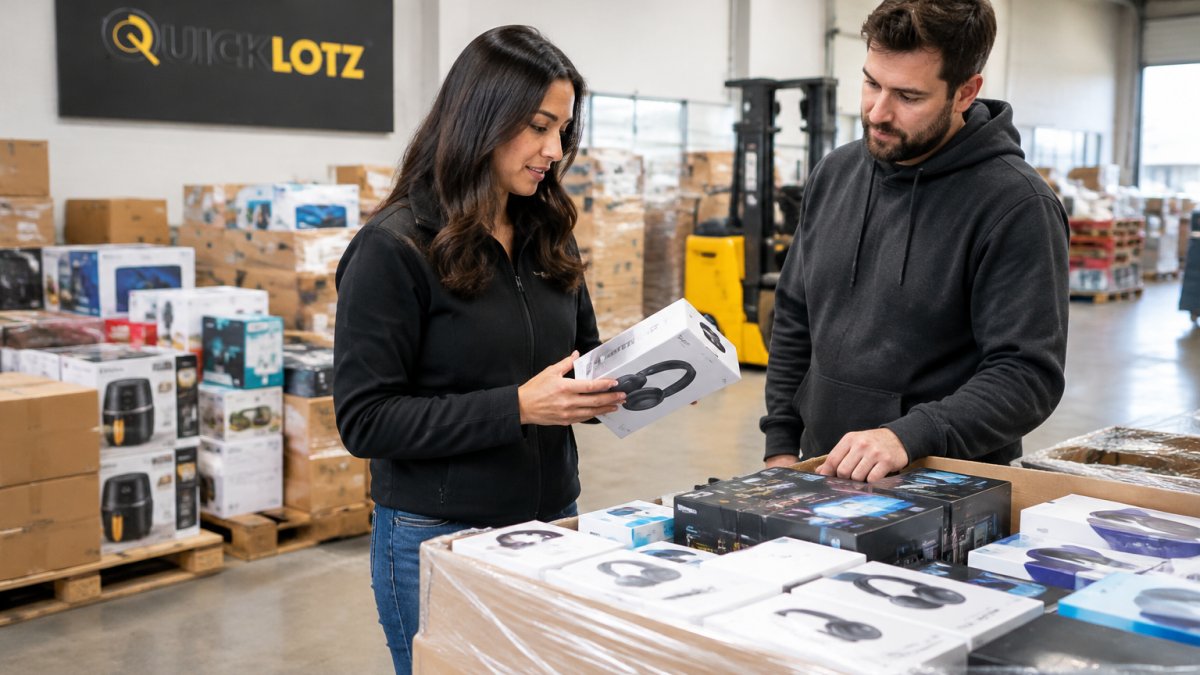
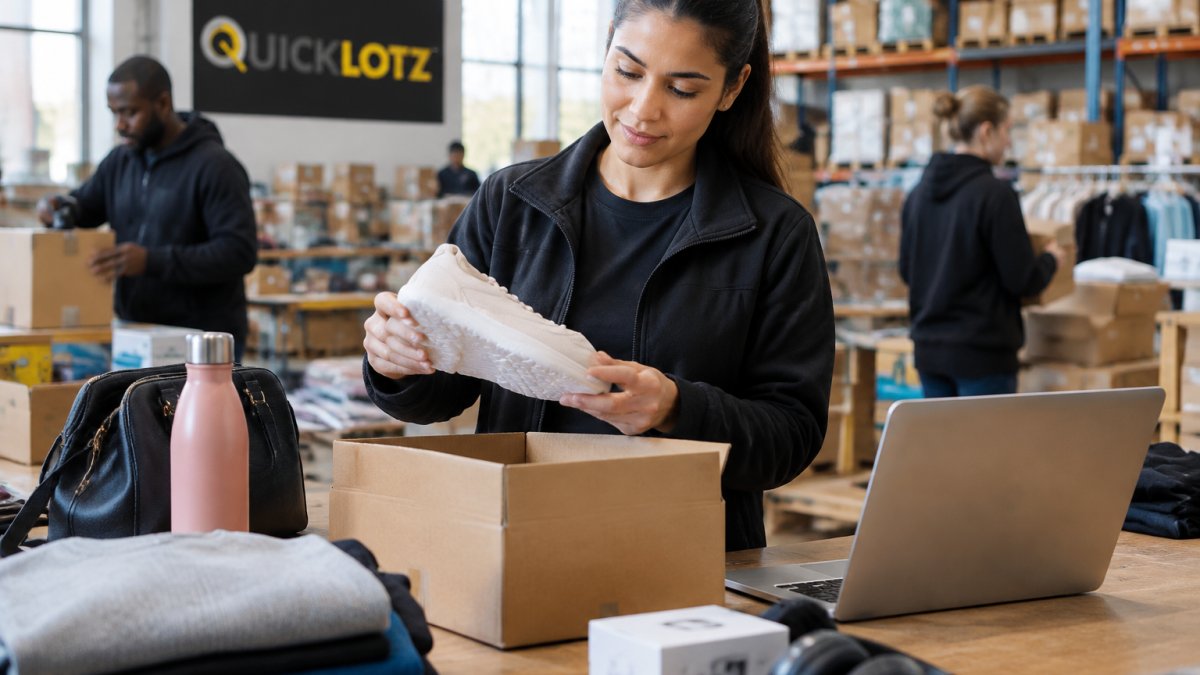
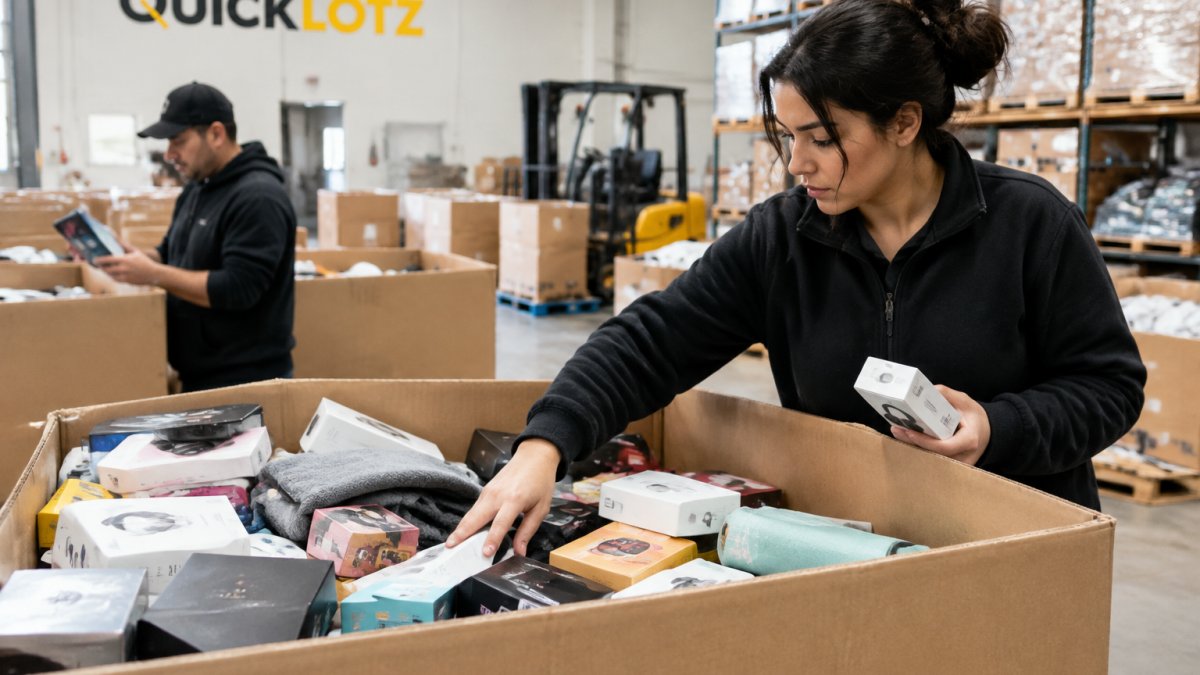
 blog
7 Reliable Liquidation Sources for Bin Stores
Last Updated: November 5, 2026
Quick Summary
Reliable liquidation sources for bin stores deliver consistent load quality, transparent manifests, and predictable restock cycles. Verify any supplier by requesting a sample manifest, asking for condition breakdowns by grade, confirming the return policy in writing, checking fulfillment history, and starting with one load. A high-piece-count liquidation truckload may be purchased for 5-15% of retail value.
- Most bin store operators buy from retailer-direct programs, large marketplaces, regional wholesalers, or auction houses.
- Match load type to your channel: bin stores need high piece count mixed general merchandise at low cost per piece.
- Calculate cost per sellable piece as load price plus freight and handling divided by total pieces times sellable rate.
- A first truckload of liquidation inventory is estimated at $5,000-$12,000.
- Track purchase cost, freight, sellable rate, and days to clear every load to rank suppliers after six loads.
Table of Contents
- What Makes a Liquidation Source Reliable for Bin Stores
- Liquidation Suppliers for Resellers: Matching Load Types to Your Business
- Liquidation Pallets for Sale: Reading Manifests, Grades, and Return Policies
- Transparent Costs and Unit Economics of Sourcing
- Shipping, Freight, and Geographic Coverage
- Bin Store Inventory Tracking System Template: What to Record
- Best Bin Store Inventory Tracking System: Build or Buy
- Start Sourcing with Quicklotz
- Frequently Asked Questions
What Makes a Liquidation Source Reliable for Bin Stores
Reliable liquidation sources for bin stores deliver consistent load quality, transparent manifests, and predictable restock cycles. According to Southern Liquidation's bin store guide, a high-piece-count liquidation truckload may be purchased for 5-15% of retail value, which is the spread that makes the bin model work at all.
Reliability is not the same as cheapness. Cheap loads with 30% unsellable content destroy your margins faster than a slightly pricier load with clean, graded merchandise.
The Four Supplier Types You Will Encounter
Most bin store operators buy from one of four channels. Each behaves differently on quality, price, and consistency.
- Retailer-direct reverse logistics programs. The retailer controls grading and manifest accuracy. Volume is high, but access usually requires an established relationship.
- Large liquidation marketplaces. These aggregate truckloads across categories, including Amazon LPN, Amazon FC, Target HPC, and Walmart HPC loads, as Select Liquidation's bin store collection illustrates. Selection is broad; quality varies by lot.
- Regional wholesalers and pallet resellers. Good for smaller commitments and local pickup, weaker on consistency when you scale.
- Auction houses and daily online auctions. Pricing is transparent and competitive, but you must inspect manifests carefully before bidding.
B-Stock's guidance for bin store owners notes that sourcing can be local or online, and that a direct connection to a large supplier is the key advantage. That connection is what turns a supplier into a reliable liquidation source.
If you are weighing a specific vendor against your volume, our breakdown of whether Via Trading suits small bin stores walks through the trade-offs.
How to Verify a Supplier Before You Pay
Verification is a five-step process, and skipping any step is how operators end up with damaged inventory.
- Request a sample manifest from a recent, comparable load. Check that SKU counts match the stated piece count.
- Ask for condition breakdowns by grade: new, like-new, used, salvage. A supplier who cannot separate these is guessing.
- Confirm the return policy in writing. What happens when 20% of a load is unsellable?
- Check fulfillment history. How many loads ship per week, and how often do they sell out before you can commit?
- Start with one load. Judge the supplier on delivered quality, not on the sales call.
For a deeper walkthrough of manifest checks, see our guide on how to verify liquidation pallet manifests before you bid.
Liquidation Suppliers for Resellers: Matching Load Types to Your Business
The right liquidation supplier for resellers depends on what you sell and how fast you turn inventory. For stores choosing single-category electronics loads over mixed merchandise, vetting electronics inventory before purchase helps keep sourcing decisions aligned with how quickly those items can be tested and sold.
Match the load to the channel:
| Business type | Best load type | Priority | Watch for |
|---|---|---|---|
| eBay/Amazon reseller | Single-category, graded returns | Manifest accuracy | Mixed salvage filler |
| Bin store | High piece count, mixed general merchandise | Cost per piece | High unsellable rate |
| Auction house | Bulk lots, broad categories | Lot variety | Inconsistent grading |
| Discount retailer | Amazon FC, Target HPC, Walmart HPC truckloads | Restock frequency | Seasonal dead stock |
A common mistake is buying a truckload because the price per piece looks unbeatable, without checking whether the category matches your customer base. A bin store in a college town and one in a retirement community should not be buying the same mix.
Liquidation Pallets for Sale: Reading Manifests, Grades, and Return Policies
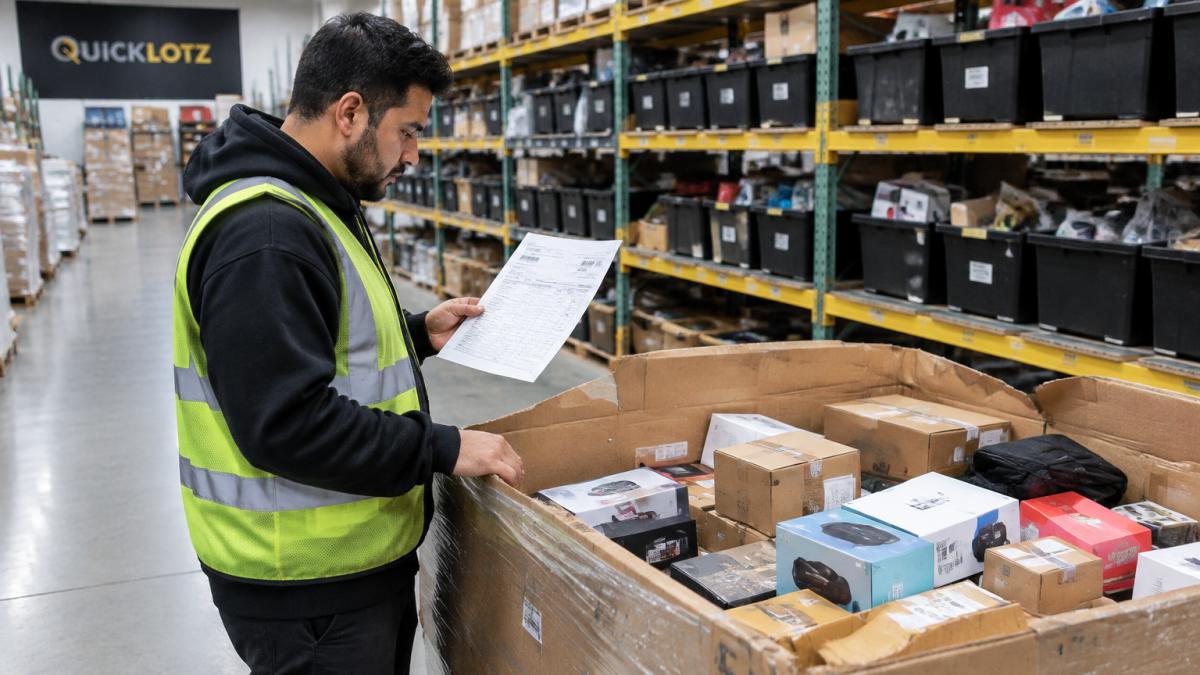
The value of liquidation pallets for sale depends on the paperwork behind them. A manifest lists what should be in the load; the grade tells you the condition; the return policy tells you who absorbs the loss when reality diverges from the sheet.
Read three things before you commit:
- Piece count versus SKU count. A load can have 800 pieces across 200 SKUs. Both numbers matter for how you price bins.
- Grade definitions. "Customer returns" and "salvage" are not interchangeable. Ask the supplier to define each term they use.
- Return window and remedy. Credit, replacement, or nothing? Get it in writing.
Transparent Costs and Unit Economics of Sourcing
Unit economics decide whether a bin store survives, and the purchase price is only one line in the math. Discount Wholesalers Inc.'s startup guide estimates a first truckload of liquidation inventory at $5,000-$12,000, but reliable sourcing is about what that truckload actually yields, not what it cost to buy.
Calculate your true cost per sellable piece:
Cost per sellable piece = (load price + freight + handling) ÷ (total pieces × sellable rate)
Run the calculation with your own numbers, using the load price, freight, and sellable rate from the manifest and supplier quote.
The Costs Competitors Leave Out
Most sourcing guides stop at the purchase price. The lines that actually separate a reliable supplier from a risky one are the ones you only see after the first load:
- Freight and landed cost. Per-pallet versus per-truckload quoting, liftgate delivery, and whether the supplier consolidates loads all change your landed cost per piece.
- Minimum orders and fees. Some marketplaces and wholesalers impose minimum pallet counts, buyer's premiums, or handling fees that do not appear in the advertised price. Ask for the all-in quote before you compare suppliers.
- Expected sell-through. A load that clears in 14 days ties up less cash than one that sits for 60, even at the same margin. Days-to-clear belongs in your supplier comparison, not just your P&L.
- Dispute and return terms. Credit, replacement, or nothing when a load underperforms. A supplier that offers credit on documented shortfalls is worth a higher sticker price than one that offers none.
Purchasing Risk: What to Verify Before You Pay
Reliability is partly a paper trail. Before you send a deposit to any new source, confirm the basics that protect you if the load goes wrong:
- Business registration and references. Ask for the legal entity name and two references from operators buying at your volume. A supplier who cannot provide either is a gamble, not a source.
- Manifest accuracy history. Request the stated versus received piece count from two recent loads. Drift between the two is the earliest warning sign of a supplier whose grading is slipping.
- Inspection rights. Confirm in writing whether you can inspect on arrival and what the remedy is for damaged or missing goods. Suppliers who refuse inspection rights are telling you something.
- Payment terms. Paying a deposit before you have seen a manifest from that supplier is the most common way first-time buyers lose money. Start with one load on terms you can afford to lose.
Track four numbers every load: purchase cost, freight, sellable rate, and days to clear. After six loads you can rank suppliers by real cost per sellable piece and repeatability, not by how persuasive their sales rep was.
Shipping, Freight, and Geographic Coverage
Freight can be a significant part of total landed cost, and regional coverage affects it.
Ask before you buy:
- Which warehouses ship to your region, and how often?
- Is freight quoted per pallet or per truckload, and does it include liftgate delivery?
- Can you consolidate multiple loads to cut per-unit freight?
For operators outside a supplier's core zone, freight can rival the cost of the goods themselves. Our guide on freight and shipping costs for liquidation truckloads covers what first-time buyers should budget.
Geographic coverage matters most for bin stores, which restock on a fixed cycle. A supplier that ships weekly within your region keeps shelves full; one that ships monthly from three states away forces you to overbuy and sit on dead stock.
Bin Store Inventory Tracking System Template: What to Record
A bin store inventory tracking system template is a simple record that ties every load to its cost, sellable rate, and sell-through speed. You do not need software to start; a spreadsheet with the right columns beats a fancy tool with the wrong data.
Record these fields for every load:
- Load ID, supplier, purchase date, and total cost
- Freight and handling costs
- Stated piece count versus received piece count
- Sellable rate after sorting
- Restock date and days to clear
- Revenue at close-out and margin
The template's value is comparison. After six loads, you can rank suppliers by real sellable rate and cost per piece, not by how persuasive their sales rep was.
Best Bin Store Inventory Tracking System: Build or Buy
The best bin store inventory tracking system is the one your team will actually update daily. For a single-location store, a structured spreadsheet is usually enough. For multi-location operators, dedicated software pays for itself in accuracy.
Decide with three questions:
- How many locations? One store can run on a spreadsheet; three or more need shared, real-time data.
- How fast do you restock? Weekly restocks demand automated reorder alerts.
- Who updates it? If staff turnover is high, choose the simpler system.
Our article on whether a bin store inventory tracking system is worth it compares build versus buy in detail. Start simple, and upgrade only when the spreadsheet genuinely breaks.
Start Sourcing with Quicklotz
Sourcing reliably is the difference between a bin store that compounds and one that closes.
Quicklotz gives you that relationship. With more than 15 years in reverse logistics, daily online auctions starting at just $5, worldwide shipping, and strategically located warehouses, we supply online resellers, auction houses, and bin stores with liquidation merchandise at 60-90% off. We serve 500,000+ customers across 127 countries and have been recognized as an Inc. 5000 fastest growing company. You can view a bin store pallet to buy and see current availability for yourself.
Frequently Asked Questions
How do I know if a liquidation supplier is reliable?
Check four things before paying: whether the supplier provides a manifest you can inspect, whether it states condition grades and return policies in writing, whether it has a physical warehouse you can visit or verify, and whether it has a record of consistent restock schedules. Ask for current load details and pricing from each supplier. Reliability shows up in documentation and consistency, not in advertised discounts.
Where can bin stores buy liquidation pallets for sale?
Bin-store operators source from several channels: liquidation companies with daily or weekly online auctions, retailer-return and overstock truckload categories, and direct supplier connections. Test one load before committing to a volume agreement.
What should I check before buying a liquidation pallet?
Inspect the manifest for category mix and piece count, confirm the condition grade and what the supplier's return policy covers, and ask whether the load is a single-category or mixed truckload. Compare load quality and consistency across at least two suppliers rather than judging on one purchase. Also confirm freight costs and delivery terms before you commit, because shipping can change the unit economics of an otherwise cheap pallet.
What is the best bin store inventory tracking system?
The best system depends on volume. Small operators can start with a bin store inventory tracking system template in a spreadsheet that records load ID, purchase cost, freight, piece count, restock date, and sell-through by bin. Higher-volume stores need software that ties purchases to bin rotations and reports inventory turnover. Whichever you choose, record cost per piece and sell-through rate so you can compare suppliers on profit, not just on headline discount.
The challenge is not finding inventory; it is finding a liquidation source you can trust load after load. Quicklotz handles the sourcing side so you can focus on selling: daily auctions, transparent grading, worldwide shipping, and reverse logistics built for volume buyers. Get started with Quicklotz and stock your bins with merchandise you can actually sell.